Understanding the Importance of Informational Interviews
Gain industry insights by understanding the importance of informational interviews. Learn from professionals and expand your network.

Gain industry insights by understanding the importance of informational interviews. Learn from professionals and expand your network.
Understanding the Importance of Informational Interviews for Students and Job Seekers
Hey there, future leaders and career explorers! Let's talk about something super powerful that often gets overlooked in the job search and career development game: informational interviews. You might be thinking, 'What even is that?' or 'Is it just another fancy term for networking?' Well, yes and no. It's a specific, highly effective type of networking that focuses purely on learning and gathering information, not on asking for a job. Think of it as a low-pressure, high-reward conversation with someone who's already where you want to be, or at least in a field you're curious about. It's your secret weapon for career exploration, skill development, and building genuine connections.
What Exactly Are Informational Interviews Defining the Concept
An informational interview is essentially a casual conversation you initiate with someone working in a field or company that interests you. The primary goal isn't to land a job (though it can sometimes lead to opportunities down the line), but rather to gain insights, advice, and a deeper understanding of a particular industry, role, or career path. It's about asking questions, listening intently, and learning from someone's real-world experience. This isn't a job interview; it's a learning interview. You're the curious student, and they're the generous mentor sharing their wisdom. This distinction is crucial because it removes the pressure from both sides. You're not begging for a job, and they're not evaluating you for one. It's a win-win for genuine connection and knowledge transfer.
Why Informational Interviews Matter Unlocking Career Insights and Opportunities
So, why should you bother with these conversations? The benefits are huge, especially for students and recent graduates trying to figure out their next steps. First off, they provide invaluable real-world insights. Textbooks and online research can only tell you so much. Talking to someone who lives and breathes the job every day gives you a nuanced understanding of the day-to-day tasks, challenges, and rewards. You can learn about industry trends, necessary skills, and even company culture directly from the source. Secondly, they help you explore career paths. Maybe you're torn between marketing and public relations. An informational interview with professionals in both fields can help you clarify which path aligns better with your interests and strengths. Thirdly, they build your network organically. When you approach someone with genuine curiosity and respect for their time, you're building a relationship, not just adding a contact. These relationships can lead to mentorship, future referrals, or even direct job opportunities when the time is right. Lastly, they can help you refine your resume and cover letter. By understanding what skills and experiences are truly valued in a particular role or industry, you can tailor your application materials to speak directly to those needs, making you a much stronger candidate.
How to Identify Potential Interviewees Finding Your Mentors and Guides
Okay, so you're sold on the idea. But who do you even talk to? Start with your existing network. Think about family friends, alumni from your university, or even professors who have industry connections. LinkedIn is an absolute goldmine for this. You can search by company, industry, university, or even specific job titles. Look for people who are a few steps ahead of you in their career, but not so senior that they're impossible to reach. Aim for mid-level professionals who have enough experience to share valuable insights but are still accessible. Don't be afraid to reach out to people you don't know directly. A well-crafted, polite message explaining your purpose can go a long way. Consider people working at companies you admire, or in roles that sound interesting. The key is to be strategic but also open-minded. Sometimes the most insightful conversations come from unexpected places.
Crafting Your Outreach Message Making a Great First Impression
This is where many people stumble. Your initial message needs to be concise, clear, and respectful of their time. Avoid sounding like you're asking for a job. Here's a template you can adapt:
Subject: Informational Interview Request - [Your Name] - [Your University/Interest]
Dear [Name of Professional],
My name is [Your Name], and I am a [Your Student Status/Profession] at [Your University/Company]. I am currently exploring career paths in [Their Industry/Field] and was particularly impressed by your work at [Their Company/Specific Project if you know it].
I am reaching out to you because I would greatly appreciate the opportunity to learn from your experience. I am not seeking a job, but rather hoping to gain a deeper understanding of [Specific Aspect of Their Role/Industry] and the skills necessary to succeed in this field.
Would you be open to a brief 15-20 minute virtual coffee chat or phone call sometime in the coming weeks? I am happy to work around your schedule.
Thank you for your time and consideration.
Sincerely,
[Your Name]
[Your LinkedIn Profile URL (Optional but Recommended)]
Keep it short, polite, and to the point. Highlight what you admire about them or their work, and clearly state that you're seeking information, not employment. Always offer to work around their schedule.
Preparing for the Interview Asking Smart Questions and Active Listening
Once they agree, preparation is key. This isn't a casual chat where you wing it. Research the person and their company thoroughly. Understand their role, their company's mission, and any recent news. This shows you're serious and respectful of their time. Prepare a list of open-ended questions that encourage them to share their experiences and insights. Avoid questions that can be easily answered with a quick Google search. Here are some examples:
- What does a typical day look like for you in your role as [Job Title]?
- What are some of the biggest challenges and rewards you experience in this field?
- What skills do you think are most crucial for success in [Their Industry]?
- How did you get started in this career path? What was your journey like?
- Are there any particular resources, books, or courses you would recommend for someone interested in this field?
- What advice would you give to someone just starting out in this industry?
- Are there any industry trends or changes you foresee in the next 5-10 years?
- Is there anyone else you would recommend I speak with to learn more about [Specific Area]?
During the interview, listen more than you talk. Take notes (discreetly, of course). Be engaged, ask follow-up questions, and show genuine curiosity. Remember, this is their time to share, and your time to learn.
During the Interview Making the Most of Your Time
Alright, interview day! Whether it's virtual or in-person, dress appropriately – business casual is usually a safe bet. Be punctual, or even a few minutes early for virtual calls. Start by thanking them for their time. Briefly reiterate your purpose for the conversation. Then, dive into your prepared questions. Be flexible; if the conversation naturally veers into an interesting direction, follow it. Don't just stick rigidly to your list. Pay attention to their body language and tone. If they seem rushed, offer to wrap up early. Always be mindful of the time you requested. If you asked for 20 minutes, aim to finish within that timeframe unless they explicitly offer more time. At the end, thank them again and ask if it's okay to stay in touch. This opens the door for future connection without being pushy.
Following Up and Maintaining the Connection Building Lasting Relationships
This step is non-negotiable. Send a thank-you note or email within 24 hours of the interview. Personalize it by referencing specific insights or advice they shared. Reiterate your appreciation for their time and generosity. For example:
Subject: Thank You - Informational Interview
Dear [Name of Professional],
Thank you so much for taking the time to speak with me today. I truly enjoyed our conversation and found your insights on [Specific Topic Discussed, e.g., the importance of soft skills in project management] incredibly valuable. I especially appreciated your advice on [Another Specific Piece of Advice, e.g., pursuing online certifications in data analytics].
I am excited to apply what I've learned as I continue to explore career opportunities in [Their Industry/Field].
Thank you again for your generosity and guidance. I hope to stay in touch.
Sincerely,
[Your Name]
Beyond the thank-you, think about how you can genuinely maintain the connection. This isn't about bothering them, but about nurturing a professional relationship. You could send an occasional update on your progress, share an article related to a topic you discussed, or simply reach out to wish them well during holidays. The goal is to be a memorable, respectful, and genuinely interested contact in their network.
Common Pitfalls to Avoid Ensuring a Positive Experience
While informational interviews are fantastic, there are a few traps to avoid. First, never, ever ask for a job directly. This immediately changes the dynamic and can make the person feel used. Remember, the goal is information, not employment. Second, don't be unprepared. Showing up without having researched them or their company is disrespectful of their time. Third, don't overstay your welcome. Stick to the time you requested. If they offer more, great, but don't assume. Fourth, don't be late. Punctuality shows respect. Fifth, don't forget to follow up. A thank-you note is essential. Lastly, don't treat it like a one-off transaction. Think of it as the beginning of a potential long-term professional relationship. Building a network takes time and consistent, genuine effort.
Leveraging Informational Interview Insights for Your Career Path
So, you've had a few informational interviews. Now what? The real power comes from what you do with the information. Use the insights to refine your career goals. Did you learn about a new role that sounds perfect? Or perhaps one you thought was ideal turns out to be less appealing in reality? Use this knowledge to adjust your course. Tailor your resume and cover letter based on the skills and experiences they highlighted as important. Seek out courses, workshops, or volunteer opportunities that help you develop those in-demand skills. The advice you receive can be a roadmap for your professional development. For example, if multiple people mention the importance of data analytics in marketing, perhaps it's time to look into some online courses. If they suggest specific industry associations, join them! These interviews are not just conversations; they are strategic data-gathering missions for your career.
Tools and Platforms to Facilitate Informational Interviews Enhancing Your Outreach
While the core of informational interviews is human connection, several tools and platforms can make the process smoother and more effective. Here are a few to consider:
LinkedIn The Ultimate Professional Networking Platform
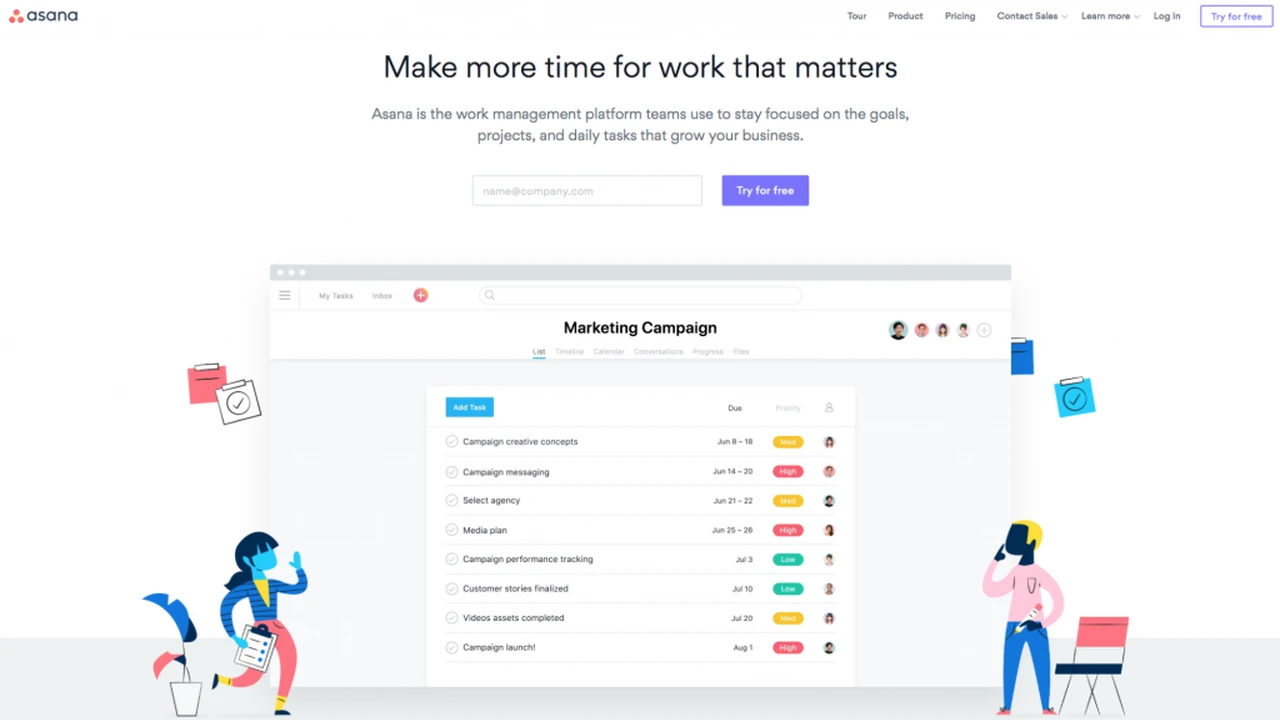
Description: LinkedIn is hands down the most powerful tool for identifying and connecting with professionals. Its search filters allow you to pinpoint individuals by company, industry, university, job title, and even specific skills. The 'People Also Viewed' section can lead you to related profiles. LinkedIn's messaging system is the primary way to send your initial outreach. A premium subscription (often available for free to students for a limited time) can offer more advanced search filters and the ability to send InMail messages to people outside your direct network.
Use Case: Finding alumni from your university working in a specific industry, identifying professionals at target companies, researching someone's career trajectory before an interview.
Comparison: More professional and career-focused than general social media platforms. Offers robust search and connection features specifically for career development.
Cost: Free for basic use; LinkedIn Premium starts around $29.99/month (student discounts may apply).
Calendly Streamlining Scheduling for Busy Professionals
Description: Calendly is a fantastic scheduling tool that eliminates the back-and-forth of finding a meeting time. You set your availability, and then share a link with the person you want to interview. They can then see your open slots and book a time that works for them directly. It integrates with most calendar systems (Google Calendar, Outlook, etc.) and can even send automated reminders.
Use Case: Offering a convenient way for busy professionals to schedule a 15-20 minute call with you without the hassle of email exchanges.
Comparison: Much more efficient than manual email scheduling. Similar tools include Acuity Scheduling, Doodle Poll (for group scheduling), and Microsoft Bookings.
Cost: Free for basic features (one event type); paid plans start around $10/month for more advanced features like multiple event types and integrations.
Zoom or Google Meet Virtual Meeting Solutions
Description: For virtual informational interviews, reliable video conferencing tools are essential. Zoom and Google Meet are two of the most popular and user-friendly options. They offer stable video and audio, screen sharing (though less relevant for informational interviews), and recording capabilities (always ask permission before recording!).
Use Case: Conducting remote informational interviews with professionals located anywhere in the world, making it easy to connect without geographical limitations.
Comparison: Both offer similar core functionalities. Zoom is often preferred for its robust features and stability, while Google Meet is seamlessly integrated with Google Workspace. Other options include Microsoft Teams and Skype.
Cost: Free for basic meetings (e.g., Zoom's 40-minute limit for group calls, but 1-on-1 calls are often unlimited); paid plans for extended features and larger meetings start around $14.99/month for Zoom Pro and are included with Google Workspace subscriptions.
Notion or Evernote For Organizing Your Research and Notes
Description: These are powerful note-taking and organization tools that can help you keep track of your informational interview process. You can create dedicated pages for each interviewee, jot down your research, list your questions, and record key takeaways from the conversation. They allow for tagging, linking, and easy search, making it simple to revisit insights later.
Use Case: Preparing for interviews, taking structured notes during calls, organizing contact information, tracking follow-up actions, and consolidating career insights.
Comparison: Both offer robust note-taking and organization. Notion is more flexible and database-like, allowing for complex project management. Evernote is more focused on simple note-taking and web clipping. Other options include OneNote and simple word processors.
Cost: Free for basic use; paid plans for more storage and advanced features start around $4/month for Notion Personal Pro and $7.99/month for Evernote Personal.
Grammarly Ensuring Professional Communication
Description: Grammarly is an AI-powered writing assistant that checks your grammar, spelling, punctuation, clarity, engagement, and delivery. It's available as a browser extension, desktop app, and mobile keyboard, integrating seamlessly with most email clients and writing platforms.
Use Case: Proofreading your initial outreach messages, thank-you notes, and any other written communication to ensure it's professional, error-free, and makes a strong impression.
Comparison: More comprehensive than standard spell checkers. Similar tools include ProWritingAid and Hemingway Editor, which focus more on style and readability.
Cost: Free for basic grammar and spelling checks; Grammarly Premium starts around $12/month (billed annually) for advanced features like clarity, tone detection, and plagiarism checks.
By strategically using these tools, you can streamline the process of identifying, reaching out to, scheduling with, and learning from professionals, making your informational interview efforts much more effective and professional.
The Long-Term Benefits of Informational Interviews A Career Investment
Think of informational interviews not as a quick fix, but as a long-term investment in your career. Each conversation adds to your knowledge base, expands your network, and refines your understanding of the professional world. Over time, these seemingly small interactions can lead to significant opportunities: a referral for an internship, an introduction to a key decision-maker, or even a direct job offer that wasn't publicly advertised. They help you make informed decisions about your education and career path, saving you time and effort in the long run. They also build your confidence in professional settings and improve your communication skills. So, don't hesitate. Start reaching out, start learning, and start building those valuable connections today. Your future self will thank you for it!
:max_bytes(150000):strip_icc()/277019-baked-pork-chops-with-cream-of-mushroom-soup-DDMFS-beauty-4x3-BG-7505-5762b731cf30447d9cbbbbbf387beafa.jpg)