Comparing Career Fairs On Campus vs Virtual Events
Explore job opportunities with our comparison of career fairs on campus vs virtual events. Connect with potential employers effectively.
Explore job opportunities with our comparison of career fairs on campus vs virtual events. Connect with potential employers effectively.
Comparing Career Fairs On Campus vs Virtual Events
The Evolving Landscape of Student Recruitment and Career Fairs
The world of student recruitment has undergone a significant transformation, especially in recent years. Gone are the days when career fairs were exclusively held in bustling university gymnasiums or convention centers. While traditional on-campus career fairs still hold a special place, the rise of virtual events has opened up new avenues for students and employers alike. This comprehensive guide will delve into the nuances of both on-campus and virtual career fairs, offering a detailed comparison to help you navigate your job search effectively. We'll explore their unique benefits, potential drawbacks, and provide actionable advice on how to maximize your success in each format. Understanding these differences is crucial for any student looking to land their dream internship or first post-graduation job.
On Campus Career Fairs The Traditional Experience and Its Advantages
On-campus career fairs have been a staple of university life for decades, and for good reason. They offer a tangible, in-person experience that many students find invaluable. The atmosphere is often buzzing with energy, and the direct interaction with recruiters can be incredibly impactful. Let's break down the key advantages of attending an on-campus career fair.
Direct Interaction and Personal Connection at University Job Fairs
One of the most significant benefits of on-campus fairs is the opportunity for direct, face-to-face interaction. You can shake hands with recruiters, make eye contact, and engage in real-time conversations. This personal connection can help you stand out from a sea of resumes. Recruiters often remember students who made a strong, positive impression in person. It's your chance to showcase your personality, enthusiasm, and communication skills beyond what a resume can convey. This immediate feedback loop allows you to gauge a company's culture and the recruiter's interest in you.
Networking Opportunities and Building Professional Relationships
Beyond just talking to recruiters, on-campus fairs are prime networking events. You'll encounter representatives from various companies, many of whom are alumni of your university. This shared connection can be a powerful icebreaker. You can also network with fellow students, sharing insights and tips. Building these professional relationships early in your career can open doors to future opportunities, mentorships, and even friendships. Don't underestimate the power of a casual conversation that could lead to a valuable connection down the line.
Immediate Feedback and Company Culture Immersion
When you speak with a recruiter in person, you can often get immediate feedback on your resume or your suitability for a role. This instant gratification is something virtual fairs can't fully replicate. Furthermore, you get a better sense of a company's culture by observing their booth, the demeanor of their representatives, and the types of questions they ask. This immersion can help you determine if a company's values align with your own, which is crucial for long-term job satisfaction.
Product Showcase and Hands On Demonstrations
Some companies bring product displays or offer hands-on demonstrations at on-campus fairs. This can be particularly beneficial for students in engineering, design, or tech fields. Seeing and interacting with a company's products or services firsthand can deepen your understanding of their work and spark your interest in specific roles. For example, a tech company might showcase their latest software, or an engineering firm might display a model of a project they've completed. This tangible experience can be a powerful differentiator.
Virtual Career Fairs The Digital Frontier and Its Benefits
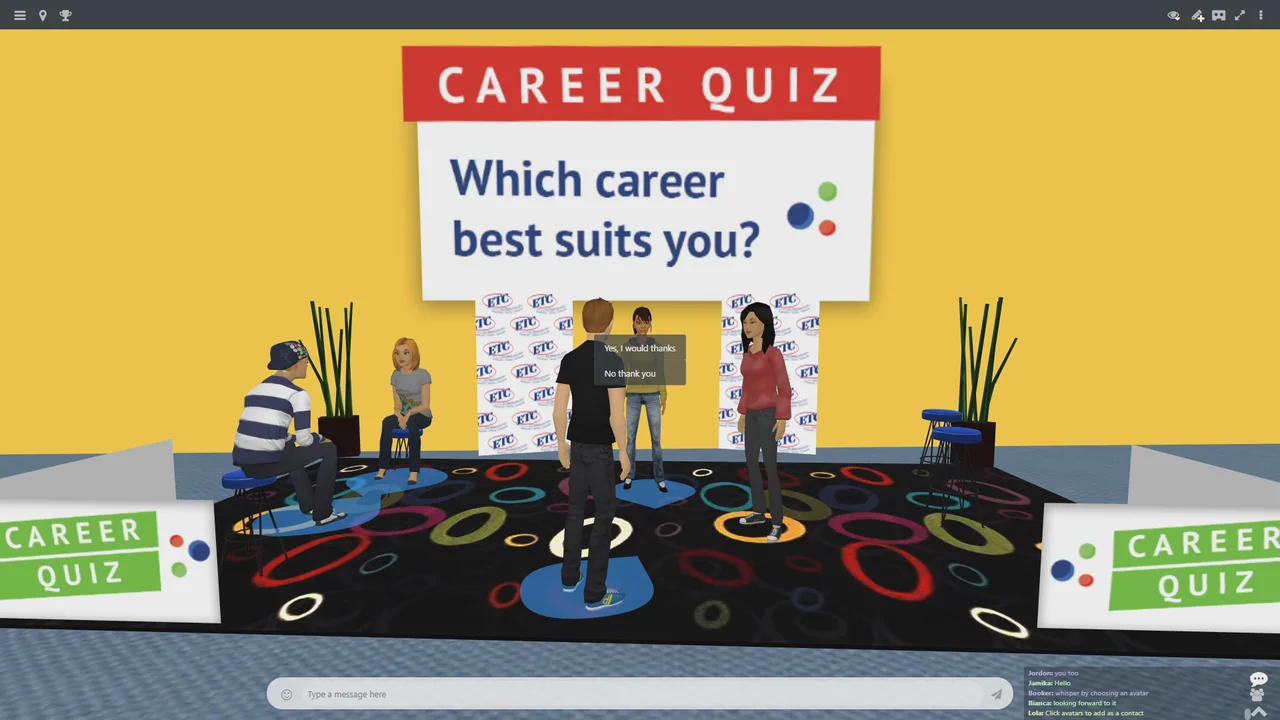
Virtual career fairs have rapidly gained popularity, especially in a world that increasingly embraces remote work and digital connectivity. They offer a convenient and accessible alternative to traditional fairs, breaking down geographical barriers and often providing a more streamlined experience. Let's explore the advantages of participating in a virtual career fair.
Accessibility and Geographical Reach for Global Opportunities
One of the most significant advantages of virtual career fairs is their unparalleled accessibility. You can attend from anywhere with an internet connection, eliminating the need for travel, accommodation, or even specific attire (though professional attire for video calls is still recommended!). This opens up opportunities with companies located across the country or even internationally, which might not recruit at your local university. For students in remote areas or those with mobility challenges, virtual fairs are a game-changer.
Cost Effectiveness and Time Saving for Students and Recruiters
Virtual fairs are generally more cost-effective for both students and employers. Students save on travel expenses, parking, and potentially lost wages from taking time off work. Employers save on booth setup, travel for recruiters, and printing materials. This cost-effectiveness can lead to more companies participating, offering a wider range of opportunities for students. The time saved on logistics also means more time can be dedicated to actual interactions and follow-ups.
Pre Scheduled Appointments and Structured Interactions
Many virtual career fair platforms allow students to pre-schedule one-on-one or group video calls with recruiters. This structured approach can reduce anxiety and ensure you get dedicated time with the companies you're most interested in. You can prepare specific questions and talking points for each meeting, making your interactions more efficient and impactful. This contrasts with the often chaotic nature of on-campus fairs where waiting in long lines is common.
Digital Resources and Easy Information Exchange
Virtual platforms are designed for seamless digital information exchange. You can easily upload your resume, portfolio, and other relevant documents. Recruiters can share company brochures, job descriptions, and application links with a click of a button. This digital efficiency means less paper waste and easier access to information for both parties. Many platforms also offer chat functions for quick questions and follow-ups.
Data Analytics and Post Event Follow Up Efficiency
For employers, virtual platforms often provide robust data analytics, allowing them to track student engagement, popular booths, and resume downloads. For students, the digital nature makes post-event follow-up incredibly efficient. You'll have a clear record of who you spoke with, their contact information, and any resources they shared. This streamlines the application process and ensures you don't miss any crucial steps.
Key Differences and Considerations for Your Job Search Strategy
While both types of career fairs aim to connect students with employers, their operational models and the experiences they offer are quite distinct. Understanding these differences is key to developing an effective job search strategy.
Preparation and Presentation for Different Fair Formats
Preparation is paramount for both types of fairs, but the specifics differ. For on-campus fairs, focus on a polished physical appearance, a firm handshake, and a concise elevator pitch. Bring multiple copies of your resume. For virtual fairs, ensure your internet connection is stable, your background is professional, and your lighting is good. Practice your virtual communication skills, including maintaining eye contact with the camera. Your digital resume and portfolio should be easily accessible and well-organized.
Engagement Styles and Making a Lasting Impression
In-person, your charisma and non-verbal cues play a huge role. You can read a recruiter's body language and adjust your approach. In a virtual setting, your verbal communication, clarity, and ability to convey enthusiasm through a screen become even more critical. Be concise, articulate, and actively listen. Ask thoughtful questions that demonstrate your research and genuine interest. For both, a strong follow-up email is essential, but for virtual, it's often the primary way to reinforce your interest.
Technical Requirements and Platform Familiarity
On-campus fairs require minimal technical know-how beyond perhaps using a QR code. Virtual fairs, however, depend heavily on technology. Familiarize yourself with the virtual fair platform beforehand. Test your microphone, camera, and internet connection. Have a backup plan in case of technical glitches. Common platforms include Brazen, CareerEco, and Symplicity, often integrated with university career services portals. Each has its own interface, so a quick tutorial or practice session can save you a lot of stress.
Navigating Crowds vs Managing Digital Queues
On-campus fairs can be crowded, requiring patience and strategic navigation to get to the booths you want. You might wait in long lines. Virtual fairs replace physical queues with digital ones. While you might still wait, it's often in a virtual waiting room, allowing you to multitask or prepare for your next interaction. Understanding how to join queues, manage your schedule, and switch between different company rooms is crucial for virtual success.
Maximizing Your Success at Both On Campus and Virtual Career Fairs
Regardless of the format, a strategic approach will significantly increase your chances of success. Here are some universal tips, along with format-specific advice.
Pre Fair Research and Company Targeting
This is non-negotiable for both. Research the companies attending, their mission, values, and current job openings. Identify 5-10 target companies you're most interested in. This allows you to tailor your pitch and questions, demonstrating genuine interest. For virtual fairs, this research helps you prioritize which virtual rooms to enter or appointments to schedule. For on-campus, it helps you navigate the floor efficiently.
Crafting an Effective Resume and Digital Portfolio
Your resume is your calling card. Ensure it's concise, error-free, and tailored to the roles you're seeking. Use action verbs and quantify your achievements. For virtual fairs, have a digital version ready to upload. Consider creating a simple online portfolio if your field is visual (e.g., design, marketing, journalism). Platforms like Behance, Dribbble, or even a personal website can host your work. For on-campus, bring physical copies on good quality paper.
Developing a Compelling Elevator Pitch and Key Talking Points
Prepare a 30-60 second elevator pitch that highlights who you are, your key skills, and what you're looking for. Practice it until it sounds natural. For virtual fairs, practice delivering it clearly and confidently to your webcam. For both, have a few key talking points about your experiences and why you're interested in specific companies. This shows preparation and enthusiasm.
Strategic Question Asking and Active Listening
Don't just ask questions you could find on the company website. Ask about company culture, day-to-day responsibilities, career growth opportunities, or specific projects. Listen actively to the recruiter's answers and engage in a genuine conversation. This demonstrates your critical thinking and engagement. For virtual, ensure your microphone is clear and you're not interrupting.
Professional Follow Up and Maintaining Connections
Always send a personalized thank-you email within 24 hours of your interaction. Reference something specific you discussed to jog the recruiter's memory. For virtual fairs, this is even easier as you'll likely have their email from the platform. For on-campus, ask for a business card. Consider connecting on LinkedIn, but always include a personalized message. This follow-up reinforces your interest and professionalism.
Recommended Platforms and Tools for Virtual Career Fairs
To help you prepare for virtual career fairs, here are some commonly used platforms and tools that enhance the experience. While your university will likely specify the platform they use, familiarity with these can be beneficial.
Brazen Virtual Career Fair Platform
Brazen is a widely used virtual event platform known for its user-friendly interface and robust features. It allows for one-on-one text chats, video calls, and group presentations. Students can easily navigate between different company booths, view job openings, and upload resumes. Its scheduling feature helps manage multiple interactions efficiently. Many universities and large corporations utilize Brazen for their virtual recruitment events. Typical features include: Chat queues, video conferencing, resume drop, company profiles, and analytics. Pricing for institutions/companies: Varies based on features and usage, often subscription-based. User experience: Generally intuitive, with clear navigation for students to find companies and join queues.
CareerEco Virtual Event Solutions
CareerEco specializes in virtual career fairs and offers a comprehensive suite of tools for both recruiters and job seekers. It supports various event types, from large-scale fairs to smaller, more niche events. Their platform emphasizes ease of use and effective communication, often featuring dedicated chat rooms for different roles or departments within a company. Typical features include: Text chat, video interviews, virtual booths, resource libraries, and event scheduling. Pricing for institutions/companies: Custom quotes based on event size and duration. User experience: Clean interface, easy to register and participate in events, good support for technical issues.
Symplicity Career Services Management System
Symplicity is a popular career services management system used by many universities. While primarily a broader platform for job postings and appointment scheduling, it also integrates virtual career fair functionalities. If your university uses Symplicity, you'll likely access virtual fairs directly through your existing student portal, making the experience seamless. It's a familiar environment for many students. Typical features include: Job board, resume drop, event registration, virtual fair modules (often integrated with video conferencing tools like Zoom or Google Meet). Pricing for institutions/companies: Part of a larger university software suite, not typically priced per event for students. User experience: Familiar to most university students, integrated with existing academic accounts, can sometimes be less feature-rich for virtual fairs specifically compared to dedicated platforms.
Zoom and Google Meet for Video Interviews and Group Sessions
While not dedicated career fair platforms, Zoom and Google Meet are essential tools often integrated into virtual fair experiences for video interviews and group information sessions. Ensure you have stable versions of these applications installed and are familiar with their basic functions (muting, unmuting, video on/off, screen sharing). A professional background and good lighting are crucial for these video interactions. Typical features include: Video conferencing, screen sharing, chat, virtual backgrounds. Pricing: Free basic versions available, paid tiers for advanced features. User experience: Widely used and familiar, generally reliable for video calls, but requires good internet connection.
LinkedIn for Professional Networking and Company Research
LinkedIn is an indispensable tool for both types of career fairs. Before attending, use it to research companies and recruiters. After the fair, use it to send personalized connection requests to the people you met. It's also a great platform to showcase your professional profile, skills, and experience. Many companies post their job openings directly on LinkedIn, making it a continuous resource for your job search. Typical features include: Professional networking, job search, company pages, skill endorsements, recommendations. Pricing: Free basic account, premium subscriptions available. User experience: Industry standard for professional networking, intuitive for finding connections and jobs.
Final Thoughts on Navigating Your Career Journey
The landscape of career fairs is dynamic, offering diverse avenues for students to connect with potential employers. Whether you prefer the direct engagement of an on-campus fair or the convenience and reach of a virtual event, strategic preparation and a proactive approach are your best assets. Embrace the opportunities each format presents, leverage the available tools, and remember that every interaction is a chance to learn, grow, and move closer to your career aspirations. Good luck with your job search!
:max_bytes(150000):strip_icc()/277019-baked-pork-chops-with-cream-of-mushroom-soup-DDMFS-beauty-4x3-BG-7505-5762b731cf30447d9cbbbbbf387beafa.jpg)