Fund your global experience with effective strategies for saving for study abroad. Plan your finances for an international adventure.
Fund your global experience with effective strategies for saving for study abroad. Plan your finances for an international adventure.
Effective Strategies for Saving for Study Abroad
Why Study Abroad Matters for Your Future
Studying abroad is more than just a vacation; it's an investment in your personal and professional development. It broadens your perspective, enhances your cross-cultural communication skills, and often leads to unique career opportunities. However, the cost can be a significant hurdle. This comprehensive guide will walk you through effective strategies to save money, making your dream of an international adventure a reality.
Understanding the True Cost of Study Abroad Programs
Before you can save, you need to know what you're saving for. The cost of studying abroad isn't just tuition. It includes a myriad of expenses that can quickly add up. Understanding these categories is the first step to effective budgeting and saving.
Tuition and Program Fees Comparison
This is often the largest chunk of your study abroad budget. Program fees can vary wildly depending on the institution, country, and duration. For example, a semester at a European university might cost significantly less than a full year at a top-tier American university's exchange program. Researching different programs and their fee structures is crucial. Some programs might include housing or excursions, while others are tuition-only.
Accommodation Expenses On Campus vs Off Campus
Where you live will greatly impact your budget. On-campus housing might offer convenience and a built-in community, but it can also be more expensive. Off-campus options, like shared apartments or homestays, can be more budget-friendly, especially if you're willing to live further from the city center. Consider the cost of utilities, internet, and transportation when comparing these options.
Travel Costs Flights and Local Transportation
Your flight to your host country will likely be one of the biggest upfront costs. Booking in advance, being flexible with your travel dates, and using student travel agencies can help reduce this expense. Once you're there, factor in daily transportation costs. Will you rely on public transport, walk, or bike? Research monthly passes or student discounts for local transit.
Visa and Application Fees Essential Documents
Don't forget the administrative costs. Visa applications, passport renewals, and other necessary documents come with fees. These can range from a few dollars to several hundred, depending on your nationality and destination country. Start this process early to avoid expedited fees.
Health Insurance for International Students Coverage Options
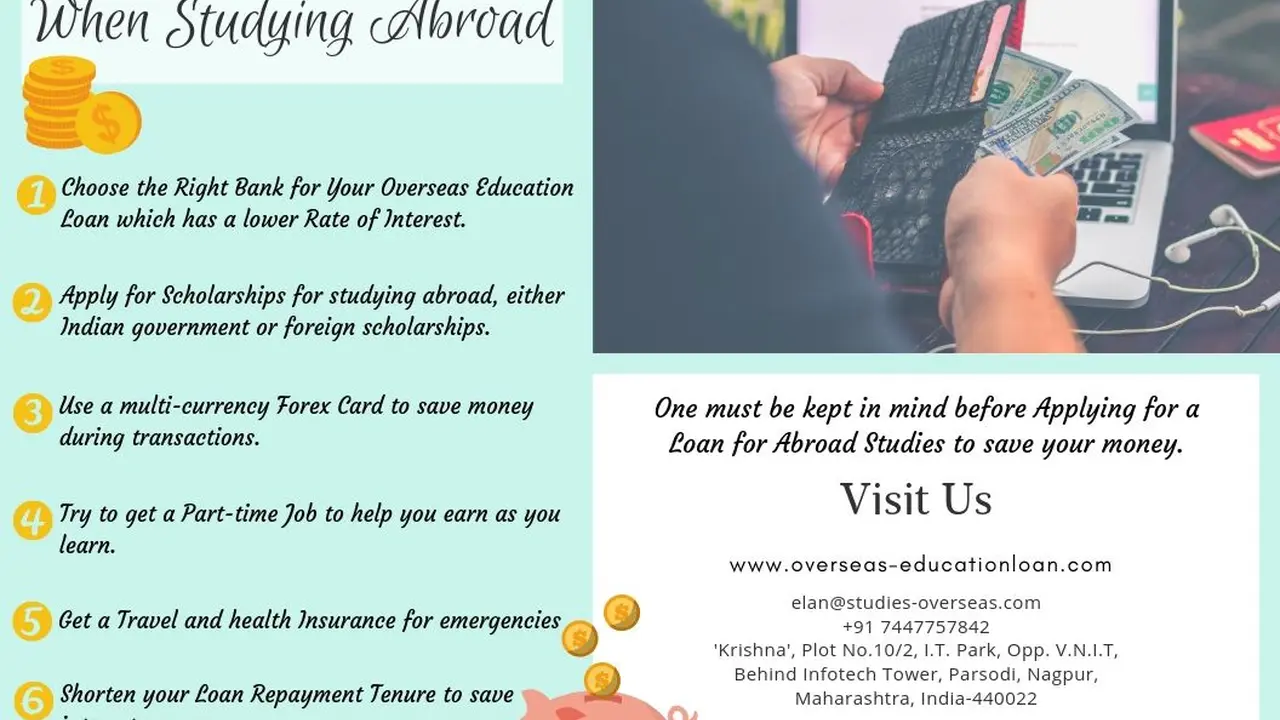
Most study abroad programs require international health insurance. This can be provided by your home university, the host institution, or a third-party provider. Compare coverage, deductibles, and out-of-pocket maximums. Some countries also require specific types of insurance for visa purposes.
Personal Expenses Food Entertainment and Shopping
This category is highly variable and depends on your lifestyle. Eating out frequently, going on weekend trips, and shopping can quickly deplete your savings. Budget for groceries, occasional meals out, and a reasonable amount for entertainment and personal items. Research the average cost of living in your chosen city to get a realistic estimate.
Maximizing Financial Aid and Scholarships for Study Abroad
Once you have a clear picture of the costs, it's time to explore ways to fund your adventure. Financial aid and scholarships are your best friends here.
Applying for University Specific Study Abroad Scholarships
Many universities offer their own scholarships specifically for study abroad programs. These can be merit-based, need-based, or program-specific. Check with your university's study abroad office and financial aid department early in the planning process. Don't assume you're not eligible; apply for everything you can.
External Scholarship Opportunities for International Programs
Beyond your university, a vast world of external scholarships awaits. These can come from government agencies, private foundations, and non-profit organizations. Some popular ones include the Gilman Scholarship (for Pell Grant recipients), Boren Awards (for less commonly taught languages and critical regions), and various country-specific scholarships. Websites like Scholarship.com, Fastweb, and StudyAbroad.com have extensive databases.
Federal Student Aid and Loan Options for Study Abroad
If you receive federal student aid (like Pell Grants or Stafford Loans) for your regular academic year, you might be able to apply it to your study abroad program. Consult with your financial aid advisor to understand how your existing aid package can be utilized. Federal loans often have more favorable terms than private loans, so explore these first.
Crowdfunding Your Study Abroad Experience Platforms and Tips
In the age of social media, crowdfunding has become a viable option for many students. Platforms like GoFundMe or FundMyTravel allow you to share your story and raise money from friends, family, and even strangers. Be compelling, share your goals, and explain why this experience is important to you. Offer small incentives or updates to your donors.
Smart Budgeting and Saving Strategies Before You Go
Saving money isn't just about finding external funding; it's also about smart financial habits.
Creating a Detailed Study Abroad Budget Spreadsheet
Before you even book your flight, create a detailed budget. List all potential expenses (tuition, housing, food, travel, visa, insurance, personal spending, emergency fund) and estimate their costs. Then, track your income and savings goals. This spreadsheet will be your financial roadmap.
Cutting Down on Unnecessary Expenses Daily Habits
Look for areas where you can cut back. Do you really need that daily latte? Can you cook more meals at home instead of eating out? Small changes in daily habits can lead to significant savings over time. Consider canceling unused subscriptions, reducing impulse purchases, and finding free entertainment options.
Earning Extra Income Part Time Jobs and Side Hustles
Boost your savings by taking on a part-time job or a side hustle. This could be anything from tutoring, dog walking, freelancing online, or working retail. Even a few extra hours a week can make a big difference in your study abroad fund. Be realistic about how much time you can commit without impacting your studies.
Setting Up a Dedicated Savings Account for Study Abroad
Open a separate savings account specifically for your study abroad fund. This makes it easier to track your progress and prevents you from accidentally spending the money on other things. Set up automatic transfers from your checking account to this savings account each payday.
Selling Unused Items Declutter and Earn
Declutter your living space and earn some cash by selling items you no longer need. Clothes, electronics, books, and furniture can all be sold on platforms like eBay, Facebook Marketplace, or local consignment shops. It's a win-win: you get rid of clutter and boost your savings.
Money Management Tips While Abroad
Your financial discipline shouldn't end once you arrive. Smart money management while abroad is just as important.
Tracking Your Spending Daily and Weekly
Continue to track your expenses while abroad. Use a budgeting app, a small notebook, or your spreadsheet. This helps you stay aware of where your money is going and adjust your spending if you're going over budget. Popular budgeting apps include Mint, YNAB (You Need A Budget), and PocketGuard.
Using Student Discounts and Local Deals Effectively
Many countries offer student discounts for transportation, museums, attractions, and even restaurants. Always ask if there's a student discount available. Look for local deals, happy hour specials, and free events. An International Student Identity Card (ISIC) can be very useful for proving your student status globally.
Cooking at Home vs Eating Out Saving on Food
Eating out frequently can be incredibly expensive, especially in popular tourist destinations. Prioritize cooking meals at home or in your dorm/apartment. Visit local markets for fresh, affordable ingredients. When you do eat out, look for lunch specials or less expensive local eateries away from tourist traps.
Smart Transportation Choices Public Transit and Walking
Embrace public transportation. Buses, trains, and subways are often much cheaper than taxis or ride-sharing services. Walking is not only free but also a great way to explore your new surroundings and stay active. Consider buying a monthly pass if you'll be using public transport frequently.
Managing Currency Exchange and Bank Fees
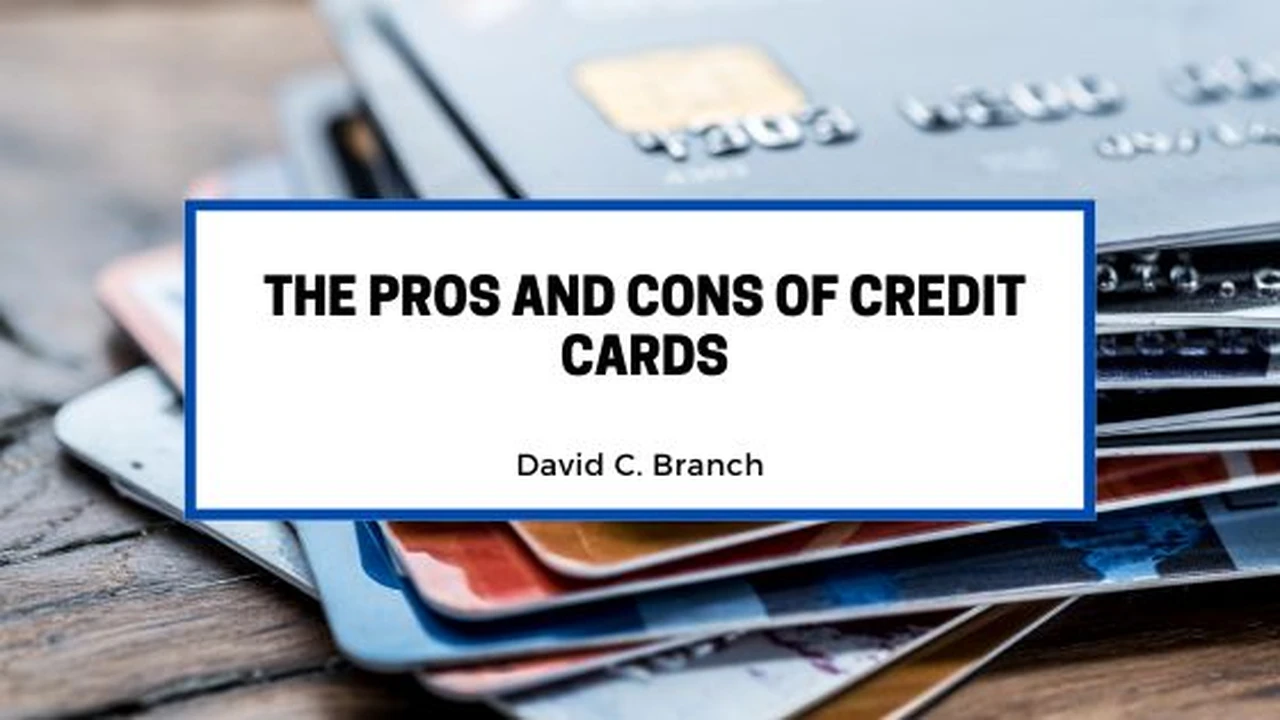
Be mindful of currency exchange rates and bank fees. Using your debit card for every small purchase can lead to significant foreign transaction fees. Research banks that offer no foreign transaction fees on debit or credit cards. Consider using a travel-friendly credit card for larger purchases, but always pay it off in full to avoid interest.
Emergency Fund Importance and Access
Always have an emergency fund. Unexpected expenses can arise, such as medical emergencies, lost luggage, or last-minute travel changes. Keep this fund separate and accessible, but only for true emergencies. A good rule of thumb is to have at least $500-$1000 set aside.
Recommended Financial Tools and Products for Students
To help you manage your money effectively, here are some specific tools and products that can make a difference.
Budgeting Apps for Tracking Expenses
* Mint: Free, widely used, connects to bank accounts, categorizes spending, and offers bill reminders. Great for an overall financial snapshot. Available on iOS and Android.
* You Need A Budget (YNAB): Subscription-based ($14.99/month or $99/year), but highly effective for zero-based budgeting. Focuses on giving every dollar a job. Has a learning curve but can be transformative for financial control. Available on web, iOS, and Android.
* PocketGuard: Free with premium options, focuses on showing you 'what's left to spend' after bills and savings. Good for quick glances at your financial health. Available on iOS and Android.
Travel Friendly Debit and Credit Cards No Foreign Transaction Fees
* Charles Schwab Bank High Yield Investor Checking Account: This account offers unlimited ATM fee rebates worldwide and no foreign transaction fees. It's a checking account, but it's fantastic for international travel. You'll need to open a brokerage account with them, but there's no obligation to invest. Widely recommended by travelers.
* Capital One Quicksilver Cash Rewards Credit Card: This card has no annual fee and no foreign transaction fees. It offers 1.5% cash back on every purchase, making it a good option for everyday spending abroad. Requires good credit.
* Chase Sapphire Preferred Card: While it has an annual fee ($95), it offers 0% foreign transaction fees and earns valuable Chase Ultimate Rewards points. Best for those who travel frequently and can maximize the rewards. Requires good to excellent credit.
Money Transfer Services for International Payments
* Wise (formerly TransferWise): Known for its low fees and transparent exchange rates. Excellent for sending money internationally, whether to pay for tuition, rent, or just to transfer money to yourself. You can also get a Wise multi-currency account and debit card.
* Revolut: Offers a multi-currency account, fee-free currency exchange up to certain limits, and a debit card. Great for managing money in different currencies and spending abroad without excessive fees. Available in many countries.
* Xoom (a PayPal service): Good for sending money quickly to family or friends abroad. Fees can vary, but it's a reliable option for quick transfers.
Student Discount Platforms and Cards
* International Student Identity Card (ISIC): This is the only internationally recognized student ID. It provides access to over 150,000 discounts in 130+ countries on travel, accommodation, museums, and more. Cost is typically around $20-$25 for a year.
* UNiDAYS: A popular platform for student discounts, primarily in the US, UK, Australia, and some European countries. Offers discounts on fashion, tech, food, and more. Free to join with a valid student ID.
* Student Beans: Similar to UNiDAYS, offering discounts on various brands and services. Also free to join and widely used in the US and UK.
Final Thoughts on Your Study Abroad Journey
Saving for study abroad requires discipline, planning, and a bit of creativity. By understanding the costs, maximizing financial aid, adopting smart saving habits, and utilizing the right financial tools, you can make your international education dream a reality. This experience will undoubtedly be one of the most enriching periods of your life, offering invaluable lessons and memories that will last a lifetime. So, start planning, start saving, and get ready for an incredible adventure.
:max_bytes(150000):strip_icc()/277019-baked-pork-chops-with-cream-of-mushroom-soup-DDMFS-beauty-4x3-BG-7505-5762b731cf30447d9cbbbbbf387beafa.jpg)