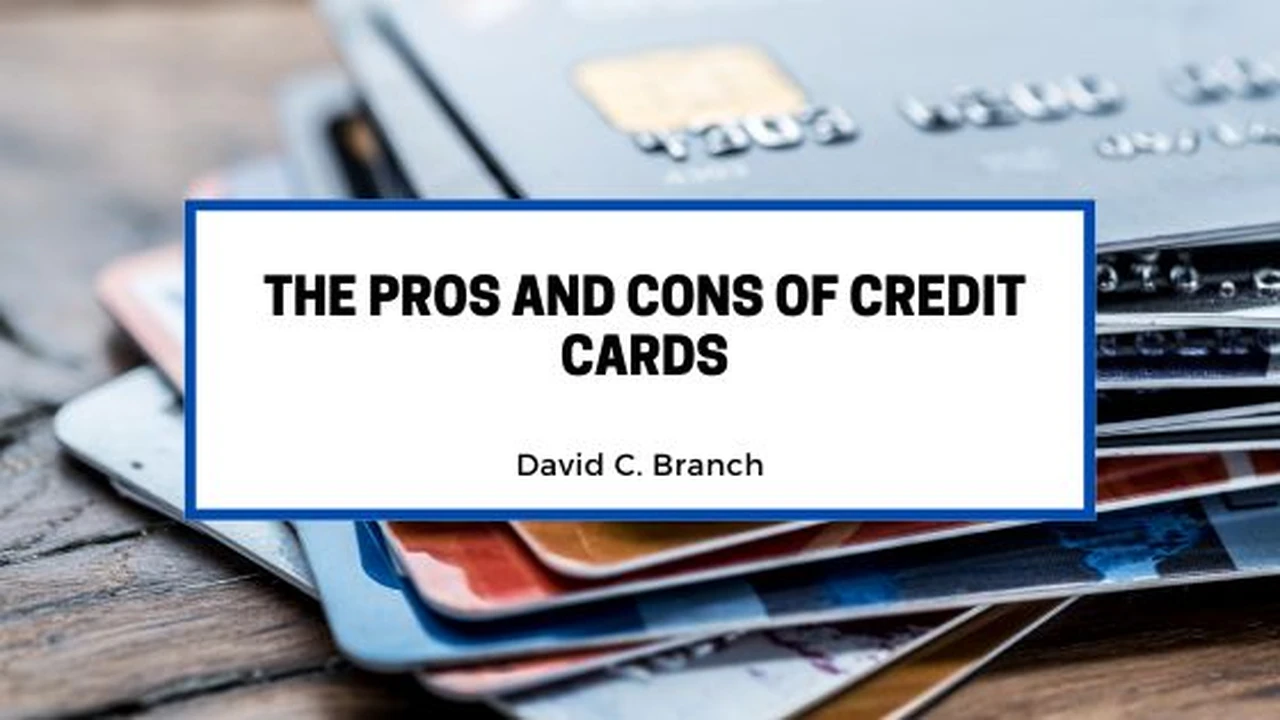
Make informed choices with our comparison of credit cards for students, pros and cons. Build credit responsibly.
Make informed choices with our comparison of credit cards for students, pros and cons. Build credit responsibly.
Comparing Credit Cards for Students Pros and Cons
Understanding Student Credit Cards What They Are and Why They Matter
So, you're in college, maybe living on your own for the first time, and suddenly everyone's talking about credit cards. It can feel a bit overwhelming, right? But here's the deal: a student credit card isn't just a piece of plastic for impulse buys. It's actually a really important tool for building your financial future. Think of it as your first step into the adult financial world. These cards are specifically designed for young adults, often with lower credit limits and more lenient approval criteria, because lenders know you're just starting out and might not have a credit history yet. The main goal here is to help you establish a good credit score, which is super important for things like renting an apartment, getting a car loan, or even landing certain jobs down the line. A good credit score basically tells lenders you're reliable and responsible with money. So, understanding what these cards are and how they work is crucial for setting yourself up for financial success.
The Big Picture Advantages of Student Credit Cards Building Your Financial Foundation
Let's talk about the good stuff, the real benefits of getting a student credit card. There are quite a few, and they go beyond just having a convenient way to pay.
Establishing Credit History Your Future Financial Passport
This is probably the biggest pro. When you use a credit card responsibly, meaning you make your payments on time and keep your balances low, you start building a credit history. This history is what lenders look at to decide if they want to lend you money in the future. No credit history means it's tough to get approved for loans or even some rental agreements. A student credit card is often the easiest way to get that history started.
Learning Financial Responsibility Budgeting and Spending Habits
Having a credit card forces you to think about your spending. You'll see exactly where your money is going, and if you're smart about it, you'll learn to budget and avoid overspending. It's a practical lesson in financial management that you'll use for the rest of your life. It's a safe space to make small mistakes and learn from them before the stakes are higher.
Emergency Fund Access Unexpected Expenses Covered
Life happens, and sometimes unexpected expenses pop up. Your car breaks down, you need an emergency flight home, or your laptop suddenly dies. A credit card can be a lifesaver in these situations, providing a safety net when you don't have immediate cash available. Of course, the goal is to pay it off quickly to avoid interest.
Fraud Protection and Security Online Shopping Peace of Mind
Credit cards offer much better fraud protection than debit cards. If your debit card number is stolen, that money is gone directly from your bank account, and it can take time to get it back. With a credit card, if there's fraudulent activity, the credit card company is usually on the hook, not you. This is especially important for online shopping.
Rewards and Perks Cash Back Travel Points and More
Many student credit cards offer rewards programs. This could be cash back on purchases, points for travel, or discounts at certain retailers. While you shouldn't get a credit card just for the rewards, they're a nice bonus if you're already using the card responsibly. Imagine getting a little bit of money back on your everyday spending – every little bit helps when you're a student!
The Potential Pitfalls Disadvantages of Student Credit Cards Avoiding Common Traps
Now, let's be real. Credit cards aren't all sunshine and rainbows if you're not careful. There are some serious downsides if you don't manage them properly.
Accumulating Debt High Interest Rates and Minimum Payments
This is the biggest danger. If you don't pay your balance in full every month, you'll start accruing interest. Credit card interest rates can be very high, often 20% or more. What might seem like a small purchase can quickly balloon into a large debt if you're only making minimum payments. This can lead to a cycle of debt that's hard to break free from.
Damaging Your Credit Score Late Payments and High Utilization
Just as responsible use builds good credit, irresponsible use can severely damage it. Late payments, exceeding your credit limit, or carrying a high balance (known as high credit utilization) will negatively impact your credit score. A bad credit score can haunt you for years, making it difficult to get loans, rent apartments, or even get certain jobs.
Overspending Temptation and Impulse Buys
It's easy to fall into the trap of thinking you have more money than you do when you're using a credit card. The physical act of handing over cash makes you more aware of your spending. With a credit card, it can feel less real, leading to impulse purchases and overspending, especially on things you don't truly need.
Annual Fees Hidden Costs to Consider
Some credit cards, even student ones, come with annual fees. While many student cards have no annual fee, it's crucial to check the terms and conditions. An annual fee eats into any rewards you might earn and is just an extra cost if you're not getting significant benefits from the card.
Impact on Future Financial Goals Student Loans and Mortgages
Poor credit card management can affect your ability to get other loans in the future. If you're planning on taking out student loans, a car loan, or eventually a mortgage, a low credit score due to credit card debt can lead to higher interest rates or even outright rejections. It's all connected.
Key Features to Look For in a Student Credit Card Smart Choices for Beginners
When you're shopping for a student credit card, don't just grab the first one you see. Look for specific features that will benefit you and help you build credit responsibly.
No Annual Fee Saving Money from Day One
This is a must-have for your first credit card. You don't want to pay just to have the card. There are plenty of great student cards out there with no annual fee, so there's no need to pay one.
Low or 0% Introductory APR Avoiding Early Interest Charges
An introductory APR (Annual Percentage Rate) means you might get a period, say 6 or 12 months, where you pay 0% interest on purchases. This can be really helpful if you need to make a larger purchase and plan to pay it off over a few months. Just make sure you pay it off before the introductory period ends, or the regular, higher APR will kick in.
Credit Limit That Fits Your Needs Starting Small and Growing
Student credit cards typically have lower credit limits, which is actually a good thing. It helps prevent you from getting into too much debt too quickly. Look for a limit that's manageable for your budget, perhaps a few hundred dollars to start. As you prove responsible, the limit will likely increase over time.
Rewards Programs That Align with Your Spending Habits Cash Back or Points
If you're going to get rewards, make sure they're rewards you'll actually use. If you spend a lot on groceries, look for a card that offers cash back on groceries. If you dream of travel, look for travel points. Don't get swayed by rewards you'll never redeem.
Educational Resources and Tools Learning as You Go
Some card issuers offer financial literacy tools, credit score tracking, or budgeting apps specifically for students. These can be incredibly helpful as you learn the ropes of managing credit. Look for a card that supports your financial education.
Top Student Credit Card Recommendations for 2024 Specific Products and Their Benefits
Alright, let's get down to some actual recommendations. These are some popular and well-regarded student credit cards that offer a good balance of features for beginners. Remember, eligibility can vary, so always check the issuer's website for the most up-to-date information.
Discover it Student Cash Back
* Key Features: This card is a perennial favorite for students. It offers 5% cash back on everyday purchases at different places each quarter (like gas stations, grocery stores, restaurants, Amazon.com) up to a quarterly maximum, and 1% cash back on all other purchases. Plus, Discover matches all the cash back you've earned at the end of your first year, automatically. It also has no annual fee and a 0% intro APR on purchases for 6 months.
* Why it's great for students: The rotating cash back categories are fantastic for maximizing rewards on common student spending. The cash back match in the first year is a huge bonus. Discover is also known for its excellent customer service and provides free access to your FICO credit score.
* Typical Credit Limit: Starts around $500-$1,500, with potential for increases after responsible use.
* Best Use Case: Students who want to earn significant cash back on their everyday spending and are comfortable tracking rotating categories.
Capital One SavorOne Student Cash Rewards Credit Card
* Key Features: Earn unlimited 3% cash back on dining, entertainment, popular streaming services, and at grocery stores (excluding superstores like Walmart and Target). Earn 1% on all other purchases. No annual fee. No foreign transaction fees, which is great if you're planning to study abroad or travel.
* Why it's great for students: The 3% cash back categories align perfectly with typical student spending habits – eating out, going to movies, and streaming shows. The lack of foreign transaction fees is a big plus for international students or those with travel plans.
* Typical Credit Limit: Starts around $300-$1,000, with potential for increases.
* Best Use Case: Students who frequently spend on food, entertainment, and streaming, and might travel internationally.
Bank of America Customized Cash Rewards Credit Card for Students
* Key Features: Earn 3% cash back in a category of your choice (like gas, online shopping, dining, travel, drug stores, or home improvement/furnishings), 2% cash back at grocery stores and wholesale clubs (on the first $2,500 in combined choice category/grocery store/wholesale club purchases each quarter), and 1% on all other purchases. No annual fee.
* Why it's great for students: The customizable 3% cash back category is a huge advantage. You can pick the category where you spend the most, whether it's online shopping for textbooks or dining out with friends. This flexibility allows you to maximize your rewards based on your personal spending habits.
* Typical Credit Limit: Varies widely, often starting from $500.
* Best Use Case: Students who want flexibility in their rewards and can choose a category that matches their highest spending.
Journey Student Rewards from Capital One
* Key Features: Earn 1% cash back on all purchases, and get a 0.25% cash back bonus each month you pay on time. No annual fee. No foreign transaction fees. Offers access to Capital One's CreditWise tool to monitor your credit score.
* Why it's great for students: This card is excellent for students who are just starting out and want a simple, straightforward rewards program. The bonus for on-time payments is a great incentive for building good habits. The lack of foreign transaction fees is also a plus.
* Typical Credit Limit: Starts around $300-$500.
* Best Use Case: Students who prefer a simple rewards structure and want an extra incentive for making on-time payments.
Petal 2 Visa Credit Card (No Annual Fee, No Fees Ever)
* Key Features: While not strictly a 'student' card, Petal 2 is very friendly to those with limited or no credit history. It offers 1% cash back on eligible purchases right away, increasing to 1.25% after 6 on-time payments, and 1.5% after 12 on-time payments. No annual fee, no foreign transaction fees, no late fees, no returned payment fees. Uses a 'Cash Score' instead of traditional credit scores for approval, which considers your banking history.
* Why it's great for students: This card is fantastic for students who might not qualify for traditional student cards due to a complete lack of credit history. Its focus on responsible banking behavior for approval makes it accessible. The increasing cash back is a nice bonus for consistent good behavior.
* Typical Credit Limit: Can range from $300 to $10,000, depending on your financial profile.
* Best Use Case: Students with no credit history who want a fee-free card and are committed to consistent on-time payments.
Responsible Credit Card Management Best Practices for Students
Getting a credit card is just the first step. Managing it responsibly is where the real work (and rewards) come in. Here are some golden rules to live by:
Pay Your Balance in Full Every Month Avoiding Interest Charges
This is the single most important rule. If you can pay off your entire statement balance every month, you'll never pay a dime in interest. This means you're essentially getting an interest-free loan for a short period, and you're building excellent credit.
Make Payments On Time Every Time Building a Positive Payment History
Your payment history is the biggest factor in your credit score. Even one late payment can significantly ding your score. Set up automatic payments or calendar reminders to ensure you never miss a due date.
Keep Your Credit Utilization Low Smart Spending Habits
Credit utilization is the amount of credit you're using compared to your total available credit. Aim to keep this below 30%. For example, if your credit limit is $500, try not to carry a balance of more than $150. Lower is always better. This shows lenders you're not maxing out your cards.
Monitor Your Credit Score Regularly Free Tools and Resources
Many credit card companies and financial websites offer free access to your credit score. Check it regularly to see your progress and spot any potential issues, like fraudulent activity. Tools like Credit Karma, CreditWise, or your bank's app can be very helpful.
Understand Your Card's Terms and Conditions APR Fees and Grace Periods
Don't just sign up without reading the fine print. Know your APR, any potential fees (like late payment fees or cash advance fees), and your grace period (the time between your statement closing date and your payment due date during which no interest is charged).
Avoid Cash Advances High Fees and Immediate Interest
Cash advances are almost always a bad idea. They come with high fees and interest starts accruing immediately, with no grace period. Only use them in extreme emergencies, and even then, try to find an alternative.
Don't Apply for Too Many Cards at Once Impact on Credit Score
Each time you apply for a new credit card, it results in a 'hard inquiry' on your credit report, which can temporarily lower your score. Only apply for a card when you genuinely need one, and space out your applications.
Real-World Scenarios How Student Credit Cards Can Help or Hurt
Let's look at a couple of examples to really drive home the point.
Scenario 1 The Responsible Student
Sarah gets a Discover it Student Cash Back card with a $1,000 limit. She uses it for her monthly grocery shopping, which usually comes out to about $150-$200. She always pays her full balance on time, every month, using her banking app. After six months, her credit score has steadily increased, and she's earned some cash back. She's building a solid credit history without ever paying interest, and she's learning to budget her food expenses.
Scenario 2 The Overwhelmed Student
Mark gets a Capital One SavorOne Student card with a $500 limit. He uses it for a new video game console ($300), then for a few nights out with friends ($150). He only makes the minimum payment each month. Because of the high interest rate, his $450 balance quickly grows. He's now paying interest on top of his purchases, and his credit utilization is very high (90%), which is hurting his credit score. He feels stressed about the debt and wishes he had been more careful.
These scenarios highlight that a credit card is a tool. Like any tool, it can be incredibly useful if used correctly, or it can cause problems if misused. The power is in your hands to choose your path.
Final Thoughts on Student Credit Cards Your Financial Journey Starts Now
So, there you have it. Student credit cards are a fantastic opportunity to kickstart your financial journey. They offer a pathway to building a strong credit history, learning essential money management skills, and even earning some rewards along the way. But, and this is a big but, they come with significant responsibilities. The key is to be disciplined, pay your bills on time, and never spend more than you can afford to pay back in full each month. If you approach it with a clear head and a commitment to responsible habits, a student credit card can be one of the best financial decisions you make during your college years. It's not just about the plastic in your wallet; it's about setting yourself up for a financially secure future. Start smart, stay disciplined, and you'll be well on your way.
:max_bytes(150000):strip_icc()/277019-baked-pork-chops-with-cream-of-mushroom-soup-DDMFS-beauty-4x3-BG-7505-5762b731cf30447d9cbbbbbf387beafa.jpg)