Top 6 Volunteer Opportunities for Career Exploration
Explore career paths with the top 6 volunteer opportunities for career exploration. Gain insights and build valuable experience.
Explore career paths with the top 6 volunteer opportunities for career exploration. Gain insights and build valuable experience.
Top 6 Volunteer Opportunities for Career Exploration
Why Volunteering is a Game Changer for Your Career
Hey there, future professionals! Ever wondered how to get a leg up in your career even before you land that first big job? Volunteering might just be your secret weapon. It's not just about giving back to the community, though that's super important too. Volunteering is an incredible way to explore different career paths, gain practical skills, and build a network that could open doors you never even knew existed. Think about it: you get to try out various roles, see what a day-to-day in a specific industry looks like, and figure out what truly sparks your interest – all without the pressure of a full-time commitment. Plus, it looks fantastic on your resume, showing potential employers you're proactive, dedicated, and have a diverse skill set. Let's dive into some of the best volunteer opportunities that can seriously boost your career exploration journey.
1. Community Outreach and Social Services Volunteering: Discovering People-Centric Careers
If you're someone who loves interacting with people, solving problems, and making a direct impact on individuals' lives, then community outreach and social services volunteering could be your calling. This sector is vast, covering everything from homeless shelters and food banks to youth mentorship programs and senior care. It's a fantastic way to explore careers in social work, non-profit management, public health, counseling, and even community development.
What You'll Do and What You'll Learn
In these roles, you might be helping organize events, assisting with daily operations, providing direct support to clients, or even helping with administrative tasks. You'll develop crucial soft skills like empathy, communication, problem-solving, and cultural sensitivity. These are highly transferable skills that are valued in almost any profession.
Specific Opportunities and Products/Tools
- Food Banks (e.g., Feeding America, local food pantries): You could be sorting donations, packing meals, or distributing food. This gives you insight into logistics, supply chain management, and community support systems.
- Homeless Shelters (e.g., local Salvation Army, independent shelters): Assisting with meal service, organizing donations, or providing companionship. Great for understanding social challenges and direct service provision.
- Youth Mentorship Programs (e.g., Big Brothers Big Sisters, local Boys & Girls Clubs): Mentoring young individuals, helping with homework, or organizing recreational activities. This is excellent for those interested in education, child development, or counseling.
- Senior Care Facilities (e.g., local nursing homes, assisted living centers): Spending time with residents, assisting with activities, or helping with light tasks. Offers a look into healthcare support roles and geriatric care.
While direct products aren't always involved, organizations often use tools like volunteer management software (e.g., Volgistics, SignUpGenius) for scheduling and communication. Understanding how these platforms work can be a valuable skill for future administrative or project management roles. For communication, you might use basic office suites like Microsoft Office 365 or Google Workspace for creating flyers, managing spreadsheets, or writing reports.
2. Environmental Conservation and Sustainability Volunteering: Green Careers Await
If you're passionate about protecting our planet and want to contribute to a more sustainable future, then environmental conservation volunteering is definitely worth exploring. This area can lead to careers in environmental science, conservation, urban planning, renewable energy, and even environmental policy.
Hands-On Experience and Skill Development
You'll often be involved in outdoor activities like trail maintenance, tree planting, park cleanups, or wildlife monitoring. You might also assist with educational programs or data collection. This type of volunteering helps you develop practical skills in fieldwork, data analysis, project management, and environmental education. It also fosters a deep understanding of ecological principles and sustainability practices.
Specific Opportunities and Products/Tools
- National Parks and Local Nature Preserves (e.g., National Park Service volunteer programs, local park districts): Trail building, invasive species removal, or visitor education. You might use tools like shovels, rakes, and even GPS devices for mapping.
- Community Gardens and Urban Farms: Planting, harvesting, composting, and educating the public about sustainable food systems. This can expose you to agricultural practices, community development, and local food movements.
- Wildlife Rehabilitation Centers: Assisting with animal care, facility maintenance, or educational outreach. Great for those interested in veterinary science, zoology, or animal welfare.
- Environmental Advocacy Groups (e.g., Sierra Club, local environmental non-profits): Helping with research, organizing campaigns, or public outreach. This can give you insight into policy, lobbying, and public relations within the environmental sector.
Tools you might encounter include GIS software (e.g., ArcGIS, QGIS) for mapping and data analysis, though often used by staff, understanding its application is key. For fieldwork, basic tools like gardening gloves (e.g., Wells Lamont Leather Work Gloves, around $15), hand trowels (e.g., Fiskars Ergo Trowel, around $10), and durable work boots (e.g., Timberland PRO Pit Boss, around $120-150) are common. For data collection, simple clipboards and pens, or sometimes even mobile apps for citizen science projects, are used.
3. Healthcare and Medical Support Volunteering: A Glimpse into the Medical Field
If you're considering a career in healthcare, volunteering in hospitals, clinics, or other medical settings is an invaluable experience. It provides a realistic look at the daily operations of healthcare facilities and helps you understand the diverse roles within the medical field, from nursing and patient care to administration and medical research.
Roles and Essential Skills Gained
Volunteer roles can vary widely, from greeting patients and assisting with wayfinding to helping with administrative tasks, stocking supplies, or even providing companionship to patients. You'll develop critical skills such as professionalism, attention to detail, communication with diverse populations, and an understanding of patient privacy (HIPAA). This experience is often a prerequisite for many medical school and healthcare program applications.
Specific Opportunities and Products/Tools
- Hospitals (e.g., local university hospitals, community hospitals): Patient transport, clerical support, gift shop assistance, or even working in the emergency department waiting area.
- Clinics and Doctor's Offices: Front desk support, organizing patient files, or assisting with patient flow.
- Nursing Homes and Assisted Living Facilities: Similar to senior care in social services, but with a more direct focus on health and wellness activities.
- Medical Research Labs (less common for general volunteers, but possible for pre-med students): Assisting with lab organization, data entry, or literature review.
While direct medical tools are usually handled by professionals, you might interact with basic office equipment like computers, printers, and phones. Understanding patient scheduling software (e.g., Epic, Cerner – though you won't directly use them, you'll see their output) can be beneficial. For personal protective equipment (PPE) like disposable gloves (e.g., Nitrile Gloves, around $20 for 100) or face masks (e.g., 3-ply disposable masks, around $10 for 50), these are typically provided by the facility.
4. Education and Literacy Programs Volunteering: Shaping Future Minds
For those interested in teaching, educational administration, curriculum development, or even educational technology, volunteering in schools, libraries, or after-school programs offers a fantastic window into the world of education. It allows you to work directly with students, understand learning processes, and see the challenges and rewards of the education sector.
Learning and Contributing
You might be tutoring students, assisting teachers in the classroom, helping with library programs, or supporting after-school activities. This experience helps you hone your teaching skills, develop patience, learn classroom management techniques, and understand different learning styles. It's also a great way to see if working with children or young adults is truly for you.
Specific Opportunities and Products/Tools
- Local Schools (elementary, middle, high school): Classroom assistant, tutor for specific subjects, or helping with extracurricular activities.
- Public Libraries: Assisting with children's reading programs, organizing shelves, or helping patrons with computer access.
- After-School Programs (e.g., YMCA, Boys & Girls Clubs): Supervising activities, helping with homework, or leading recreational games.
- Adult Literacy Programs: Teaching adults to read, write, or improve their English language skills.
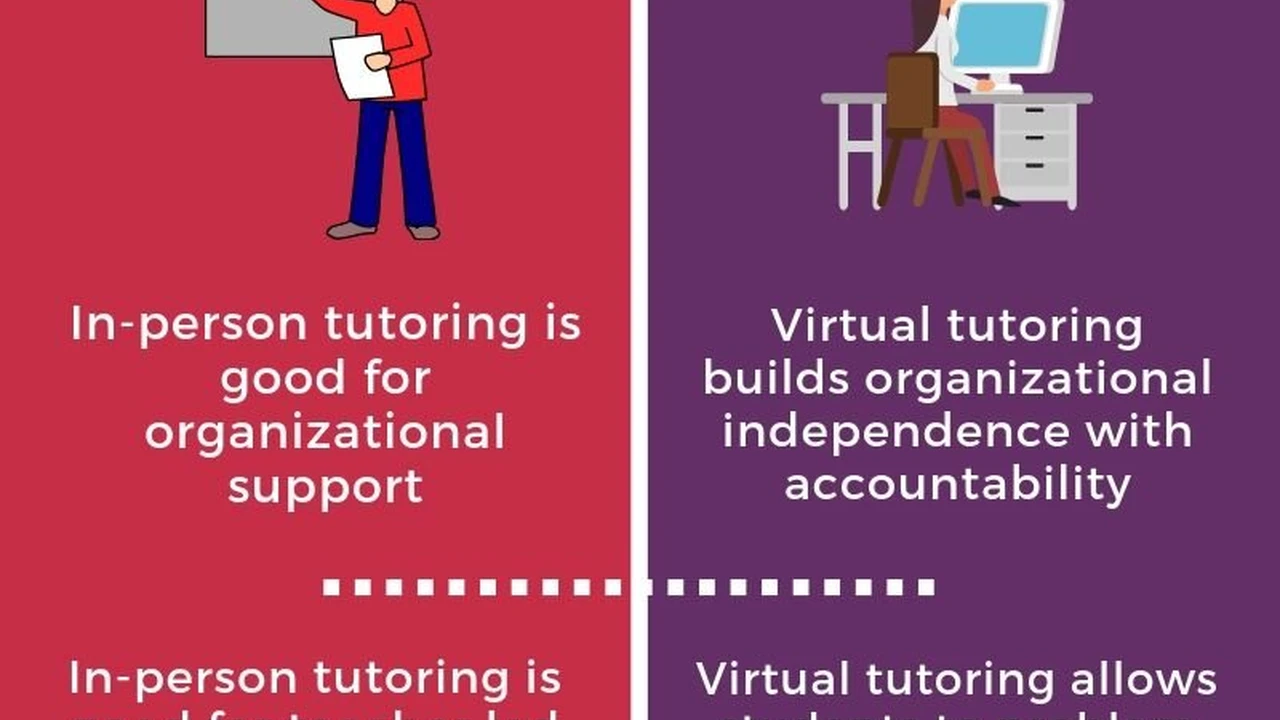
Common tools you'll use include basic school supplies like whiteboards and markers (e.g., Expo Dry Erase Markers, around $10 for a pack), notebooks and pens, and potentially educational games or manipulatives. For online tutoring, platforms like Zoom or Google Meet are essential, along with digital whiteboards (e.g., Miro, Jamboard). For organizing materials, simple storage bins (e.g., Sterilite Storage Bins, around $15-25) are often used.
5. Arts and Culture Organizations Volunteering: Creative Career Paths
If your passion lies in the creative industries, volunteering at museums, theaters, art galleries, or cultural centers can provide invaluable insights. This sector offers diverse career paths in arts administration, curation, marketing, event management, and even performance arts.
Behind-the-Scenes Experience and Skill Building
Volunteer roles can include greeting visitors, assisting with exhibitions, helping with event setup, supporting marketing efforts, or even working in archives. You'll gain skills in customer service, event planning, marketing, historical preservation, and an understanding of how cultural institutions operate. It's a fantastic way to combine your love for the arts with practical professional experience.
Specific Opportunities and Products/Tools
- Museums (e.g., local history museums, art museums): Docent (tour guide), front desk support, or assisting with educational programs.
- Theaters and Performing Arts Centers: Ushering, box office support, costume/set assistance, or marketing help.
- Art Galleries: Greeting visitors, assisting with art installations, or helping with exhibition openings.
- Historical Societies and Archives: Organizing documents, transcribing historical records, or assisting with research.
Tools might include point-of-sale (POS) systems for ticket sales (e.g., Square POS, hardware around $50-100), event management software (e.g., Eventbrite, often used by staff but you'll see the results), and basic office supplies. For marketing support, you might use social media platforms or email marketing tools (e.g., Mailchimp). For archival work, specialized gloves (e.g., cotton archival gloves, around $10) might be used to protect delicate materials.
6. Animal Welfare and Rescue Volunteering: For the Love of Animals
For animal lovers considering careers in veterinary medicine, animal behavior, shelter management, or animal advocacy, volunteering at animal shelters, rescue organizations, or wildlife sanctuaries is a deeply rewarding experience. It offers direct interaction with animals and a chance to understand the operational aspects of animal welfare.
Direct Animal Care and Operational Insights
Volunteer tasks often involve cleaning kennels, feeding animals, walking dogs, socializing cats, assisting with adoption events, or helping with administrative duties. You'll develop skills in animal handling, observation, compassion, and understanding animal behavior. This experience is crucial for anyone looking to pursue a career where they work closely with animals.
Specific Opportunities and Products/Tools
- Animal Shelters (e.g., local humane societies, SPCA): Direct animal care, cleaning, walking, and assisting with adoption events.
- Animal Rescue Organizations: Fostering animals, transporting animals, or helping with fundraising events.
- Wildlife Sanctuaries and Rehabilitation Centers: Assisting with feeding, cleaning enclosures, or monitoring animal health (often requires specific training).
- Veterinary Clinics (less common for general volunteers, but possible for pre-vet students): Assisting with front desk duties, cleaning, or observing procedures.
Common products and tools include leashes and collars (e.g., Ruffwear Front Range Harness, around $40), animal-safe cleaning supplies (e.g., Nature's Miracle Stain & Odor Remover, around $15), and animal toys (e.g., Kong Classic Dog Toy, around $10). For record-keeping, some shelters use specialized shelter management software (e.g., PetPoint, Chameleon) to track animal information, adoptions, and medical records. You might also use basic office supplies for paperwork and scheduling.
Making the Most of Your Volunteer Experience
No matter which volunteer opportunity you choose, remember to approach it with an open mind and a willingness to learn. Ask questions, observe how the organization operates, and try to take on new responsibilities. Keep a journal of your experiences, noting the skills you're developing and the insights you're gaining about different career fields. This reflection will be incredibly valuable when you're writing your resume or preparing for job interviews. Don't forget to network! Connect with staff members, other volunteers, and even clients if appropriate. These connections can provide mentorship, advice, and even future job leads. Volunteering isn't just about filling your time; it's about strategically investing in your future and discovering where your true professional passions lie. So go out there, give back, and explore your career possibilities!
:max_bytes(150000):strip_icc()/277019-baked-pork-chops-with-cream-of-mushroom-soup-DDMFS-beauty-4x3-BG-7505-5762b731cf30447d9cbbbbbf387beafa.jpg)