Comparing Student Health Insurance Options for International Students
Understand your healthcare coverage with our comparison of student health insurance options for international students. Ensure peace of mind.
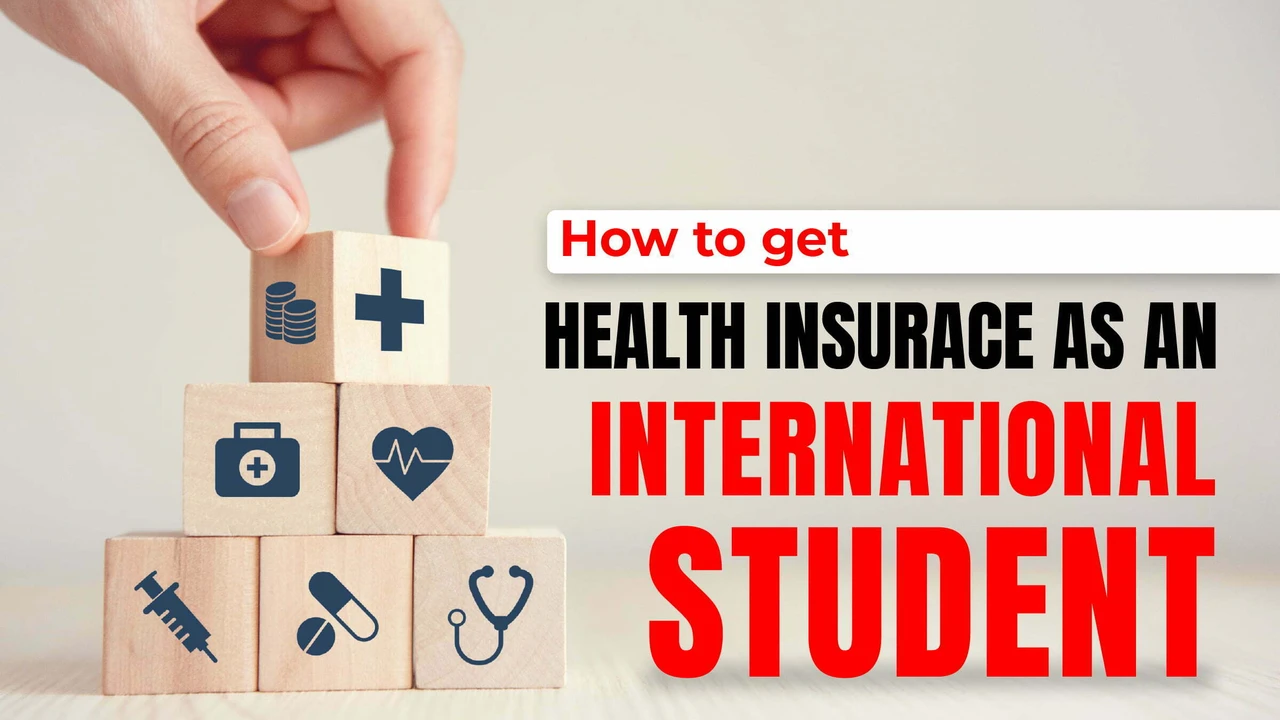
Understand your healthcare coverage with our comparison of student health insurance options for international students. Ensure peace of mind.
Comparing Student Health Insurance Options for International Students
Why International Student Health Insurance is Crucial for Your US Study
Embarking on an academic journey in the United States is an exciting prospect, filled with new experiences, learning, and personal growth. However, amidst the excitement of preparing for classes, finding accommodation, and navigating a new culture, one critical aspect often gets overlooked or underestimated: health insurance. For international students, having adequate health insurance isn't just a recommendation; it's often a mandatory requirement set by universities and the US government (specifically for J-1 visa holders, though F-1 visa holders are also strongly encouraged or required by their institutions). The US healthcare system is notoriously complex and expensive, and a single unexpected medical emergency or illness can lead to astronomical bills that could derail your academic plans and financial stability. This comprehensive guide will delve into the various health insurance options available to international students, comparing their features, costs, and suitability for different needs, ensuring you can make an informed decision and focus on your studies with peace of mind.
Understanding US Healthcare Basics for International Students
Before diving into specific insurance plans, it's essential to grasp some fundamental concepts of the US healthcare system. Unlike many countries with universal healthcare, the US system is primarily private. This means individuals are responsible for their medical costs, usually through private insurance plans. Key terms you'll encounter include:
- Premium: The monthly or annual amount you pay for your insurance coverage.
- Deductible: The amount you must pay out-of-pocket for medical services before your insurance plan starts to pay. For example, if your deductible is $500, you pay the first $500 of covered medical expenses yourself.
- Copayment (Copay): A fixed amount you pay for a covered healthcare service after you've paid your deductible. For instance, a $20 copay for a doctor's visit.
- Coinsurance: Your share of the cost of a covered healthcare service, calculated as a percentage of the allowed amount for the service. For example, if your coinsurance is 20%, and the allowed amount for a service is $100, you pay $20.
- Out-of-Pocket Maximum: The most you have to pay for covered services in a plan year. Once you reach this limit, your insurance plan pays 100% of the allowed amount for covered services.
- Network: A group of doctors, hospitals, and other healthcare providers that have contracted with your insurance plan to provide services at a discounted rate. Staying within your plan's network usually results in lower costs.
Understanding these terms is crucial for comparing plans and avoiding unexpected costs.
University Sponsored Health Insurance Plans A Common Choice
Many US universities offer or mandate their own health insurance plans for international students. This is often the most straightforward option, as the university has already vetted the plan to ensure it meets their requirements and often provides direct support for enrollment and claims. These plans are typically designed to cover the specific needs of students, including mental health services, emergency care, and sometimes even vision and dental benefits.
Pros of University Plans:
- Convenience: Enrollment is often automatic or very simple, integrated with your university registration.
- Compliance: Guaranteed to meet the university's specific insurance requirements.
- On-Campus Resources: Often linked with on-campus health services, making it easy to access care.
- Peer Support: Many other international students will be on the same plan, making it easier to share experiences and get advice.
- Comprehensive Coverage: Generally robust plans designed for student needs.
Cons of University Plans:
- Cost: Can sometimes be more expensive than external options, though not always.
- Limited Choice: You might not have options to choose from different plans or providers.
- Coverage Limitations: While generally comprehensive, specific benefits might vary, and you should always review the policy details.
Example University Plan: Let's consider a hypothetical 'University Health Plan A'.
- Annual Premium: Approximately $2,500 - $4,000 (can vary significantly by university and state).
- Deductible: $250 - $500 per policy year.
- Copay: $20 for primary care visits, $50 for specialist visits.
- Coinsurance: 10% after deductible for in-network services.
- Out-of-Pocket Maximum: $5,000.
- Key Features: Includes mental health services, prescription drug coverage, emergency room visits, and access to on-campus health clinics. Often includes repatriation of remains and medical evacuation benefits, which are crucial for international students.
- Suitability: Ideal for students who prefer convenience, want guaranteed compliance with university requirements, and value integrated on-campus health services.
Private Health Insurance Options for International Students
If your university allows you to waive their plan (which is common, but always check their specific waiver requirements carefully), you can explore private health insurance options. These plans are offered by various insurance companies and can sometimes be more cost-effective or offer different benefits tailored to your specific needs.
Key Considerations for Private Plans:
- University Waiver Requirements: This is paramount. Your private plan MUST meet or exceed all the specific requirements set by your university. These often include minimum coverage amounts, specific benefits (like mental health, repatriation, medical evacuation), and deductible limits. Failure to meet these can result in your waiver being denied, forcing you to enroll in the university plan.
- Network Size and Coverage: Ensure the plan has a broad network of doctors and hospitals in your university's area.
- Repatriation of Remains & Medical Evacuation: These are critical benefits for international students, covering the cost of returning your remains to your home country or transporting you to a suitable medical facility if needed. Many universities mandate these.
- Pre-existing Conditions: Understand how the plan handles pre-existing medical conditions.
Comparing Specific Private Plans:
1. ISO International Student Health Insurance (e.g., ISO Care)
ISO is a popular provider specifically catering to international students. They offer various plans designed to meet the requirements of most US universities.
- Annual Premium: Ranges from $500 to $2,000+, depending on the plan level (e.g., ISO Care, ISO Secure, ISO Compass) and age.
- Deductible: Varies by plan, from $0 to $500 per incident or policy year.
- Copay: Typically $15-$30 for doctor visits.
- Coinsurance: Often 20% for in-network, 40% for out-of-network after deductible.
- Out-of-Pocket Maximum: $5,000 - $10,000.
- Key Features: Designed to meet university requirements, includes medical evacuation and repatriation, 24/7 emergency assistance, and a large network (often PPO networks like Aetna or UnitedHealthcare). Some plans offer limited dental/vision.
- Suitability: Excellent for students looking for a cost-effective alternative to university plans that still meets compliance requirements. Good for those who want clear, student-focused benefits.
2. PSI International Student Health Insurance (e.g., J1 Exchange, F1 Advantage)
PSI (Professional Student Insurance) is another well-known provider offering plans tailored for F-1 and J-1 visa holders.
- Annual Premium: Similar to ISO, ranging from $600 to $2,500+, depending on the plan and coverage level.
- Deductible: $0 to $500.
- Copay: $20-$40 for office visits.
- Coinsurance: 10-20% for in-network, higher for out-of-network.
- Out-of-Pocket Maximum: $5,000 - $10,000.
- Key Features: Comprehensive medical coverage, mental health benefits, prescription drug coverage, medical evacuation and repatriation. Often utilizes large PPO networks.
- Suitability: A strong competitor to ISO, offering similar benefits and compliance features. Good for students who want options and competitive pricing.
3. GeoBlue (e.g., GeoBlue Xplorer, GeoBlue Navigator)
GeoBlue offers more premium international health insurance plans, often favored by students who desire extensive global coverage and higher benefit limits, or those studying abroad for extended periods.
- Annual Premium: Generally higher, starting from $1,500 and going up to $5,000+ depending on age, deductible, and coverage.
- Deductible: Can be higher, from $500 to $2,500, allowing for lower premiums.
- Copay: Varies, often $0 for in-network primary care with higher deductibles.
- Coinsurance: Often 0% or 10% after deductible for in-network.
- Out-of-Pocket Maximum: Lower, often $2,500 - $5,000.
- Key Features: Worldwide coverage (excluding home country), direct billing in many international locations, robust medical evacuation and repatriation, excellent customer service, and access to a global network of providers. Often includes wellness benefits.
- Suitability: Best for students who travel frequently, desire premium coverage, or whose university requires very high benefit limits. It's a more expensive but often more comprehensive option.
4. StudentSecure by Seven Corners (e.g., Select, Budget, Elite)
Seven Corners is a well-established travel insurance provider that also offers plans specifically for international students.
- Annual Premium: Ranges from $700 to $2,500+, depending on the plan level (Budget, Select, Elite, Platinum) and age.
- Deductible: $0 to $2,500.
- Copay: $15-$30 for office visits.
- Coinsurance: 10-20% for in-network, higher for out-of-network.
- Out-of-Pocket Maximum: $5,000 - $10,000.
- Key Features: Multiple plan levels to fit different budgets and university requirements, includes medical evacuation and repatriation, mental health coverage, and a strong provider network.
- Suitability: A flexible option with various tiers, allowing students to choose a plan that balances cost and coverage, and meets university waiver criteria.
Comparing University Plans vs. Private Plans A Decision Framework
The choice between a university-sponsored plan and a private plan largely depends on your university's specific requirements, your budget, and your personal preferences for coverage and flexibility.
Scenario 1: University Mandates Their Plan (No Waiver Option)
If your university does not allow waivers, your decision is made for you. Enroll in the university's plan. Focus on understanding its benefits, how to use the on-campus health services, and what your out-of-pocket costs might be.
Scenario 2: University Allows Waivers (Most Common)
This is where careful comparison comes in. Here's a framework:
- Get the Waiver Requirements: Obtain the exact, detailed waiver requirements from your university's international student office or health services. This document is your bible.
- Compare University Plan Details: Get the full policy brochure for your university's plan. Understand its premium, deductible, copays, coinsurance, out-of-pocket maximum, and key benefits (especially mental health, medical evacuation, and repatriation).
- Research Private Plans: Visit the websites of providers like ISO, PSI, GeoBlue, and Seven Corners. Use their quote tools to get prices for plans that explicitly state they meet university requirements or are designed for F-1/J-1 students.
- Match Requirements: Meticulously compare the private plan's benefits against your university's waiver requirements. Do not assume; verify every single point. Pay close attention to maximum benefit limits, deductibles, and specific coverage for things like sports injuries or pre-existing conditions.
- Cost Analysis: Compare the total annual cost (premium + potential out-of-pocket costs) of the university plan versus the private plans that meet the waiver requirements. Remember that a lower premium might come with a higher deductible or less comprehensive coverage.
- Network and Access: Check if the private plan's network includes doctors and hospitals convenient to your university.
- Customer Service and Claims Process: While harder to quantify, consider reviews or ask other students about their experiences with customer service and the claims process for different providers.
- Repatriation and Medical Evacuation: Reiterate the importance of these benefits. Ensure any private plan you choose includes them and meets the university's specified limits.
Important Tips for International Students Regarding Health Insurance
- Read the Fine Print: Always, always read the full policy document (Certificate of Coverage) before purchasing any plan. Understand what is covered, what is excluded, and any limitations.
- Understand Your University's Health Services: Many universities have excellent on-campus health centers that can handle common illnesses and injuries. Understand how your insurance works with these services.
- Know Your Network: If you choose a private plan, know which doctors and hospitals are in your plan's network to avoid higher out-of-network costs.
- Carry Your Insurance Card: Always have your insurance card (physical or digital) with you.
- Ask Questions: Don't hesitate to contact the insurance provider or your university's international student office if you have any questions about your coverage.
- Emergency Protocol: Know what to do in a medical emergency. Where is the nearest emergency room? How do you contact your insurance for emergency assistance?
- Mental Health Coverage: Pay close attention to mental health benefits. Adjusting to a new country and academic pressure can be challenging, and access to mental health support is vital.
- Prescription Drugs: Check how prescription medications are covered. Are there preferred pharmacies? What are the copays for different tiers of drugs?
- Dental and Vision: Most basic health insurance plans do not include comprehensive dental or vision coverage. If these are important to you, you might need to purchase separate, supplemental plans.
Final Thoughts on Securing Your Health in the US
Choosing the right health insurance as an international student in the US is a critical decision that impacts your well-being and financial security. While university plans offer convenience and guaranteed compliance, private plans can sometimes provide more flexibility or cost savings if they meet your institution's waiver requirements. By thoroughly researching your options, understanding the key terms, and meticulously comparing benefits against your university's mandates, you can select a plan that offers comprehensive coverage and peace of mind throughout your academic journey. Remember, investing in good health insurance is not just a requirement; it's an investment in your future and your ability to thrive in your new environment.
:max_bytes(150000):strip_icc()/277019-baked-pork-chops-with-cream-of-mushroom-soup-DDMFS-beauty-4x3-BG-7505-5762b731cf30447d9cbbbbbf387beafa.jpg)