Comparing On Campus vs Off Campus Housing Benefits
{ "article": [ { "title": "Comparing On Campus vs Off Campus Housing Benefits", "meta_description": "Decide your living situation with our comparison of on-campus vs off-campus housing benefits. Find the best fit for your student lifestyle.", "content": "Decide your living situation with our comparison of on-campus vs off-campus housing benefits. Find the best fit for your student lifestyle.\n\n
\n\n
The Great Debate On Campus vs Off Campus Living
\n\nChoosing where to live during your college years is a monumental decision. It's not just about a roof over your head; it's about your daily routine, your social life, your academic focus, and your financial well-being. For many students, the choice boils down to two main options: living on campus in a dorm or university-affiliated apartment, or venturing off campus into a private rental. Both have their unique perks and drawbacks, and what's perfect for one student might be a nightmare for another. Let's dive deep into the pros and cons, explore the hidden costs, and even look at some specific examples to help you make the most informed decision for your academic journey.\n\n
On Campus Housing The Dorm Life Experience
\n\nLiving on campus, often synonymous with 'dorm life,' is the quintessential college experience for many. It's typically the first taste of independence for new students and offers a unique environment designed specifically for academic and social integration.\n\n
Proximity and Convenience Campus Accessibility
\n\nOne of the biggest advantages of on-campus housing is its unparalleled convenience. Your classes, the library, dining halls, student services, and campus events are usually just a short walk away. This saves you precious time on commuting, which can be a game-changer for early morning classes or late-night study sessions. Imagine rolling out of bed 15 minutes before your 8 AM lecture – that's a luxury many off-campus dwellers can only dream of. This proximity also means you're always in the loop about campus happenings, making it easier to participate in clubs, sports, and social events.\n\n
Social Integration and Community Building
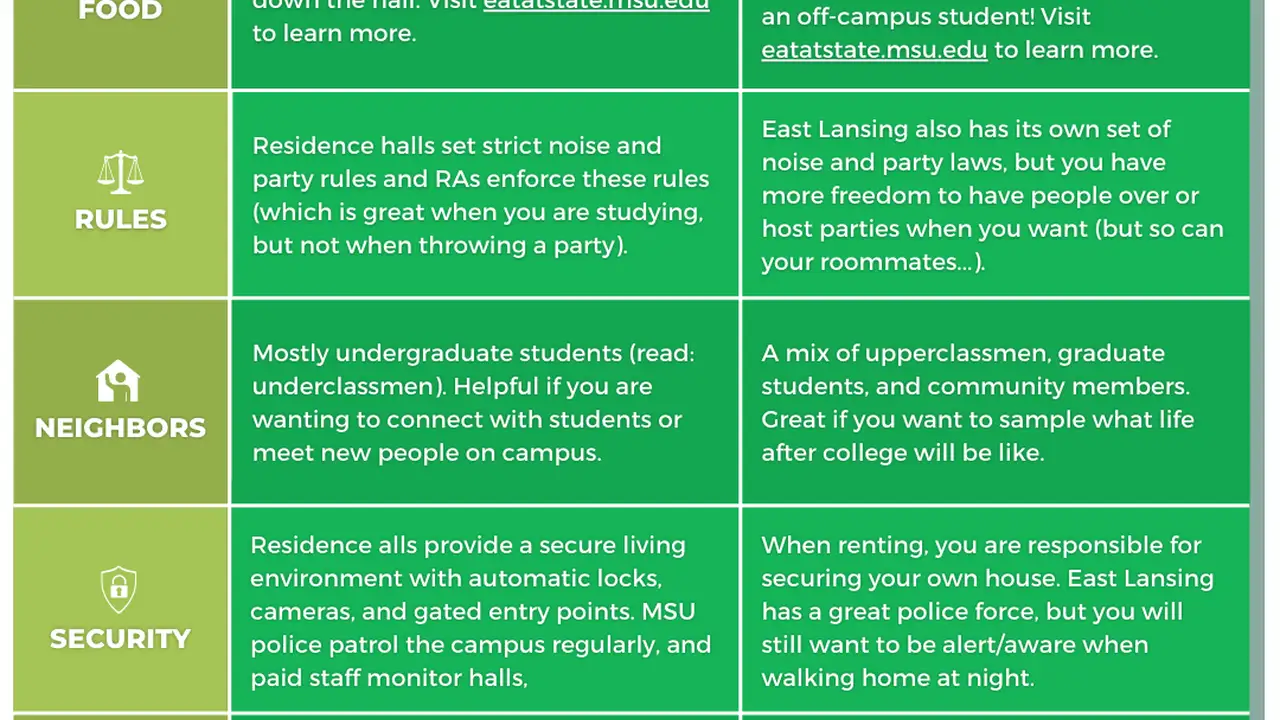
\n\nOn-campus housing is a social hub. You're surrounded by hundreds, if not thousands, of fellow students, many of whom are in the same boat as you – new to college and looking to make friends. Dorms often have built-in social structures, like resident advisors (RAs) who organize events, common areas for mingling, and shared bathrooms or kitchens that naturally encourage interaction. This environment makes it incredibly easy to meet new people, form study groups, and build a strong support network. For international students or those coming from far away, this immediate community can be invaluable in easing the transition to university life.\n\n
Safety and Security Campus Resources
\n\nUniversities typically invest heavily in campus security. On-campus housing often features controlled access, security cameras, and dedicated campus police or security personnel. Many dorms have front desks staffed 24/7. This can provide a significant sense of safety and peace of mind, especially for students and parents concerned about living in an unfamiliar city. Additionally, emergency services are usually just a call away, and campus-wide alert systems keep residents informed.\n\n
Utilities and Amenities All Inclusive Living
\n\nFor many on-campus housing options, utilities like electricity, water, heating, cooling, and internet are included in the housing fee. This simplifies budgeting significantly, as you don't have to worry about fluctuating monthly bills. Dorms also often come furnished with basic necessities like a bed, desk, chair, and wardrobe, saving you the cost and hassle of buying and moving furniture. Many also offer shared amenities like laundry facilities, study lounges, and sometimes even small gyms or recreation rooms.\n\n
Support Services and Academic Assistance
\n\nLiving on campus often means easier access to university support services. Academic advising, counseling services, health clinics, and career centers are usually located within walking distance. Some dorms even have dedicated academic support staff or tutoring services available to residents, making it easier to get help when you need it.\n\n
Potential Drawbacks of On Campus Living
\n\nWhile convenient, on-campus living isn't without its downsides. Lack of privacy, shared living spaces, strict rules (like guest policies or quiet hours), and potentially higher costs compared to some off-campus options can be deterrents. The food options in dining halls, while convenient, might not always cater to individual preferences or dietary needs, and the quality can vary widely between institutions.\n\n
Off Campus Housing The Independent Living Experience
\n\nMoving off campus means finding your own apartment, house, or room in a shared rental. This option offers a different kind of college experience, one that emphasizes independence and real-world living.\n\n
Greater Independence and Freedom Personal Space
\n\nOff-campus living offers a significant increase in independence and personal freedom. You have more control over your living space, your schedule, and your lifestyle. Want to paint your walls? Host a late-night study group? Cook your own meals whenever you want? Off-campus living provides that flexibility. You're not bound by dorm rules or RA oversight, which can be a huge relief for students who value their autonomy.\n\n
Cost Savings and Budget Flexibility Financial Considerations
\n\nWhile not always the case, off-campus housing can often be more affordable than on-campus options, especially if you're sharing rent with roommates. The cost per person for a multi-bedroom apartment can sometimes be significantly lower than a single dorm room. You also have more control over your utility usage, potentially saving money on electricity or water if you're mindful. Furthermore, you can save on meal plans by cooking your own food, which can be a substantial saving over a semester.\n\n
Variety of Housing Options Customization and Choice
\n\nOff-campus housing offers a much wider variety of choices. You can select an apartment based on its size, number of bedrooms, amenities (like a private bathroom, in-unit laundry, or a balcony), location (closer to downtown, a quiet neighborhood, or near public transport), and even the type of building. This allows you to find a living situation that perfectly matches your preferences and budget, rather than being limited to the university's offerings.\n\n
Real World Experience Life Skills Development
\n\nLiving off campus is a crash course in adulting. You'll learn valuable life skills like managing a budget, paying bills, signing leases, dealing with landlords, handling maintenance issues, and navigating public transportation or driving. These experiences, while sometimes challenging, are incredibly beneficial for preparing you for life after graduation.\n\n
Potential Drawbacks of Off Campus Living
\n\nHowever, off-campus living comes with its own set of challenges. Commuting can be a hassle, especially if you don't have a car or reliable public transport. You're responsible for all utilities, which can add up. Furnishing an apartment can be expensive. You might feel less connected to campus life, and safety can be a greater concern depending on the neighborhood. Finding reliable roommates can also be a significant hurdle.\n\n
Cost Comparison A Deeper Dive into Expenses
\n\nLet's break down the financial aspects more thoroughly. It's not just about rent; there are many hidden costs to consider.\n\n
On Campus Costs What's Included
\n\nOn-campus housing typically presents a single, all-inclusive fee per semester or academic year. This usually covers:\n\n* **Rent:** For your room.\n* **Utilities:** Electricity, water, heating, cooling, internet, and sometimes even basic cable.\n* **Furnishings:** Bed, desk, chair, wardrobe.\n* **Maintenance:** Repairs are handled by the university.\n* **Security:** Campus security services.\n* **Amenities:** Access to common areas, laundry facilities (though sometimes coin-operated), study lounges.\n* **Meal Plan (often mandatory):** This can be a significant portion of the cost.\n\n**Example On-Campus Cost Breakdown (Hypothetical University)**\n\n* **Standard Double Room:** $4,000 per semester\n* **Mandatory Meal Plan (Unlimited):** $2,500 per semester\n* **Total per Semester:** $6,500\n* **Total per Academic Year (9 months):** $13,000\n\nThis upfront cost can seem high, but remember what it includes. There are very few unexpected expenses once you've paid this fee.\n\n
Off Campus Costs The Itemized Bill
\n\nOff-campus living requires you to manage multiple separate bills. Here's what you'll typically pay for:\n\n* **Rent:** This is your primary expense. It varies wildly based on location, size, and amenities.\n* **Utilities:** Electricity, gas (for heating/cooking), water, sewage, trash, internet. These can fluctuate monthly.\n* **Security Deposit:** Usually one month's rent, paid upfront and refundable at the end of the lease (if no damages).\n* **Application Fees:** Some landlords charge a fee to process your application.\n* **Renter's Insurance:** Highly recommended to protect your belongings.\n* **Furnishings:** If the apartment isn't furnished, you'll need to buy a bed, couch, dining table, etc.\n* **Groceries:** You'll be responsible for all your food.\n* **Transportation:** Gas, public transport passes, parking fees.\n* **Household Supplies:** Cleaning products, toilet paper, etc.\n\n**Example Off-Campus Cost Breakdown (Hypothetical Shared Apartment)**\n\n* **Rent (per person in a 3-bedroom apartment):** $700/month\n* **Utilities (Electricity, Gas, Water, Internet - per person estimate):** $100/month\n* **Groceries:** $300/month\n* **Transportation:** $50/month (bus pass)\n* **Renter's Insurance:** $15/month\n* **Total per Month:** $1,165\n* **Total per Academic Year (9 months):** $10,485\n\n**Initial Setup Costs (One-time):**\n\n* **Security Deposit:** $700\n* **Application Fee:** $50\n* **Basic Furnishings (bed, desk, chair - if unfurnished):** $500 - $1,500 (can be more or less depending on sourcing)\n\nAs you can see, while the monthly cost might be lower, the initial setup costs and the ongoing management of multiple bills can make off-campus living more complex financially. However, the potential for significant savings, especially on food, is there if you're a savvy budgeter.\n\n
Specific Product Recommendations for Off Campus Living
\n\nIf you choose to live off campus, you'll likely need to furnish your space and manage your utilities. Here are some product categories and specific recommendations to help you get started, focusing on value and student needs.\n\n
Budget-Friendly Furniture Essentials for Students
\n\nFurnishing an entire apartment can be daunting. Focus on essentials first, and consider second-hand options.\n\n* **Bed Frame & Mattress:**\n * **Recommendation:** Zinus Green Tea Memory Foam Mattress (various sizes) with a simple Zinus SmartBase Platform Bed Frame.
* **Why:** Zinus is known for affordable, comfortable mattresses that ship compressed in a box. The SmartBase eliminates the need for a box spring, saving money and space. Easy to assemble and disassemble.
* **Price Range:** Mattress $200-$400, Frame $100-$200.\n\n* **Desk & Chair:**\n * **Recommendation:** IKEA LINNMON / ADILS Table (desk) and IKEA MARKUS Office Chair.
* **Why:** IKEA offers incredibly affordable and functional desks. The MARKUS chair is a popular choice for its ergonomic support at a reasonable price, crucial for long study sessions.
* **Price Range:** Desk $30-$60, Chair $150-$200.\n\n* **Storage Solutions:**\n * **Recommendation:** IKEA KALLAX Shelf Unit or plastic storage bins.
* **Why:** KALLAX units are versatile for books, clothes, and decor. Plastic bins are great for under-bed storage or organizing closets.
* **Price Range:** KALLAX $35-$100, Bins $5-$20 each.\n\n
Kitchen Appliances for Student Cooking
\n\nCooking at home is a major money-saver. Start with these basics.\n\n* **Microwave:**\n * **Recommendation:** Amazon Basics Microwave with Alexa Voice Control (if you like smart tech) or a basic Toshiba/Panasonic compact microwave.
* **Why:** Essential for quick meals, reheating leftovers. Amazon Basics offers smart features at a low price.
* **Price Range:** $60-$120.\n\n* **Electric Kettle:**\n * **Recommendation:** Hamilton Beach Electric Kettle.
* **Why:** Faster and more energy-efficient than boiling water on a stovetop for tea, coffee, ramen, or instant oatmeal.
* **Price Range:** $20-$40.\n\n* **Toaster Oven/Air Fryer Combo:**\n * **Recommendation:** Cuisinart Air Fryer Toaster Oven or Ninja Foodi 8-in-1 Digital Air Fry Oven.
* **Why:** A versatile appliance that can toast, bake small items, and air fry, reducing the need for a full oven for many student meals. Great for crispy snacks and quick dinners.
* **Price Range:** $100-$200.\n\n* **Basic Cookware Set:**\n * **Recommendation:** T-fal Signature Nonstick Cookware Set (5-10 pieces).
* **Why:** Provides essential pots and pans for everyday cooking. Nonstick is easy to clean.
* **Price Range:** $50-$100.\n\n
Smart Home Devices for Convenience and Savings
\n\nThese can add convenience and potentially help manage utility costs.\n\n* **Smart Plugs:**\n * **Recommendation:** TP-Link Kasa Smart Plugs.
* **Why:** Turn any appliance into a smart appliance. Schedule lights, fans, or chargers to turn off, saving electricity. Monitor energy usage for some models.
* **Price Range:** $15-$30 for a 2-pack.\n\n* **Smart Thermostat (if allowed by landlord):**\n * **Recommendation:** ecobee Lite Smart Thermostat or Google Nest Thermostat.
* **Why:** Learn your schedule and optimize heating/cooling, potentially saving significantly on energy bills. Control from your phone.
* **Price Range:** $100-$180.\n\n* **Mesh Wi-Fi System:**\n * **Recommendation:** TP-Link Deco M5 or Google Nest Wifi.
* **Why:** If you have a larger apartment or dead zones, a mesh system provides strong, consistent Wi-Fi coverage throughout, crucial for online classes and streaming.
* **Price Range:** $100-$200 for a 2-pack.\n\n
Making the Right Choice Factors to Consider
\n\nBeyond cost, several other factors should influence your decision.\n\n
Personal Preferences and Lifestyle Social vs Solitary
\n\nAre you an extrovert who thrives on constant social interaction, or do you prefer quiet solitude for studying and relaxation? On-campus living is generally more social and bustling, while off-campus offers more peace and quiet. Consider your study habits – can you focus with potential noise from neighbors, or do you need absolute silence?\n\n
Academic Needs and Study Environment Focus and Productivity
\n\nThink about how your living environment impacts your studies. If you need easy access to the library or labs at all hours, on-campus might be better. If you prefer a dedicated, quiet study space away from campus distractions, off-campus could be ideal. Consider your major – does it require specific resources that are only available on campus?\n\n
Financial Situation and Budgeting Skills Managing Money
\n\nBe honest about your financial literacy. If you're new to managing bills and budgeting, the all-inclusive nature of on-campus housing might be less stressful. If you're confident in tracking expenses and paying bills on time, off-campus living offers more opportunities for savings.\n\n
Transportation Options Commuting to Campus
\n\nHow will you get to campus? If you don't have a car, assess public transportation options, walking distance, or bike routes. Factor in the time and cost of commuting. Some universities offer free shuttle services from nearby off-campus areas.\n\n
Safety and Security Personal Well-being
\n\nResearch crime rates in potential off-campus neighborhoods. Consider the lighting, pedestrian traffic, and overall feel of the area. While universities prioritize campus safety, off-campus safety is your responsibility. Look for apartments with secure entry systems and good lighting.\n\n
Lease Agreements and Landlord Relations Understanding Contracts
\n\nOff-campus living involves signing a lease, a legally binding contract. Understand the terms, including lease duration, rent payment dates, late fees, pet policies, and maintenance responsibilities. Research potential landlords or property management companies for reviews.\n\n
Hybrid Approaches and Transitioning Between Options
\n\nIt's not always an either/or situation. Many students opt for a hybrid approach or transition between living situations during their college career.\n\n
First Year On Campus Then Off Campus
\n\nMany universities require first-year students to live on campus. This is often beneficial as it helps new students acclimate to university life, make friends, and access support services easily. After the first year, once they've established a social circle and understand the local area, they might transition to off-campus housing with friends.\n\n
Summer Subletting and Short Term Leases
\n\nIf you're living off campus but plan to go home for the summer, consider subletting your apartment to another student. This can help offset rent costs. Conversely, if you're an international student or need short-term housing, look for summer sublets from students going home.\n\n
University Affiliated Off Campus Housing
\n\nSome universities offer off-campus apartments that are still managed by the university. These often combine the independence of off-campus living with some of the security and convenience of on-campus housing, such as included utilities or shuttle services.\n\n
Final Thoughts on Your Housing Decision
\n\nThe decision between on-campus and off-campus housing is deeply personal. There's no universally 'best' option. It depends on your financial situation, your personality, your academic needs, and your desired college experience. Take the time to research, visit potential living spaces, talk to current students, and weigh all the factors carefully. Whichever path you choose, make sure it supports your academic success and overall well-being during this exciting chapter of your life."
}
]
}
:max_bytes(150000):strip_icc()/277019-baked-pork-chops-with-cream-of-mushroom-soup-DDMFS-beauty-4x3-BG-7505-5762b731cf30447d9cbbbbbf387beafa.jpg)