Understanding Consent and Healthy Relationships on Campus
Promote a safe environment by understanding consent and healthy relationships on campus. Foster respectful interactions and well-being.
Promote a safe environment by understanding consent and healthy relationships on campus. Foster respectful interactions and well-being.
Understanding Consent and Healthy Relationships on Campus
The Foundation of Respect Defining Consent in Campus Life
Hey everyone, let's talk about something super important for campus life: consent. It's not just a buzzword; it's the absolute bedrock of any healthy interaction, especially when it comes to physical intimacy. Think of consent as a clear, enthusiastic, and ongoing agreement. It's not the absence of a 'no'; it's the presence of an active 'yes.' This 'yes' needs to be freely given, without any pressure, manipulation, or threats. It also needs to be informed, meaning everyone involved understands what they're agreeing to. And here's the kicker: consent can be withdrawn at any time, even if you've said 'yes' before or during an activity. Someone can change their mind, and that's perfectly okay and must be respected immediately. This applies to all kinds of interactions, from a simple hug to more intimate acts. Understanding this dynamic is crucial for fostering a safe and respectful campus environment for everyone.
Navigating Consent Scenarios Practical Examples for Students
So, what does consent look like in real life? Let's break down some scenarios. Imagine you're at a party, and someone offers you a drink. Consenting to the drink doesn't mean you're consenting to anything else. Or, if you're on a date and you've been kissing, that doesn't automatically mean you're consenting to further intimacy. Each step requires a new, clear 'yes.' Silence is never consent. Ambiguity is never consent. If someone is intoxicated to the point where they can't understand what's happening or communicate clearly, they cannot give consent. This is a non-negotiable. It's always better to err on the side of caution and ask, 'Are you comfortable with this?' or 'Is this okay?' Open communication is your best friend here. Remember, a person's past behavior or relationship status also has no bearing on their ability to consent in the present moment. Every interaction stands on its own.
Building Blocks of Healthy Relationships Communication and Trust
Beyond consent, healthy relationships, whether platonic or romantic, are built on a few key pillars. First up: communication. This means being able to express your feelings, needs, and boundaries openly and honestly, and also actively listening to your partner or friend. It's a two-way street. Second, trust. This isn't just about fidelity in romantic relationships; it's about reliability, honesty, and feeling safe with the other person. You should feel comfortable being vulnerable and know that your confidence will be respected. Third, respect. This ties back to consent but extends to respecting each other's opinions, space, time, and individuality. You don't have to agree on everything, but you should always respect each other's right to their own thoughts and feelings. Fourth, equality. Healthy relationships are balanced; there isn't one person with all the power. Decisions are made together, and both individuals feel valued and heard. Finally, support. In a healthy relationship, you should feel supported in your goals and challenges, and you should offer that same support in return. It's about lifting each other up.
Recognizing Red Flags Identifying Unhealthy Relationship Patterns
Just as important as knowing what healthy relationships look like is being able to spot the red flags of unhealthy ones. These aren't always obvious, but they can escalate over time. Watch out for controlling behaviors, like someone trying to dictate who you can see, what you can wear, or where you can go. Isolation is another big one – if someone tries to cut you off from your friends and family. Constant criticism, belittling, or put-downs are also major red flags; a healthy partner builds you up, they don't tear you down. Jealousy that's excessive or possessive, rather than a fleeting emotion, can also be a sign of trouble. Lack of trust, dishonesty, and a refusal to communicate or compromise are also indicators. And, of course, any form of physical, emotional, or sexual abuse is an immediate deal-breaker and requires seeking help. If you feel uneasy, unheard, or unsafe, those are your instincts telling you something is wrong. Trust them.
Campus Resources and Support Systems Where to Find Help
Your university campus is usually equipped with a ton of resources to help you navigate these complex topics. Don't hesitate to use them! Most universities have a Title IX office, which handles cases of sexual harassment and assault. They can provide support, guidance, and help with reporting if that's what you choose. There are also often counseling services available, offering confidential support for mental health, relationship issues, and trauma. Many campuses have student health centers that can provide medical care and referrals. Look for student organizations focused on sexual assault awareness, healthy relationships, or peer support groups. These can be great places to find community and understanding. Don't forget about academic advisors or trusted professors; while they might not be experts in these areas, they can often point you in the right direction for help. Knowing these resources exist and how to access them is a vital part of staying safe and well on campus.
Promoting a Culture of Consent and Respect Student Advocacy
It's not just about individual actions; it's about creating a campus culture where consent and respect are the norm, not the exception. You, as a student, play a huge role in this. Be an active bystander: if you see something that makes you uncomfortable or looks like a potential non-consensual situation, intervene safely. This could mean distracting the individuals, calling for help, or directly asking if someone is okay. Educate yourself and your friends on consent and healthy relationship dynamics. Challenge harmful stereotypes and jokes that normalize disrespect or violence. Participate in campus awareness campaigns or join student groups dedicated to these issues. Speak up when you hear someone making inappropriate comments or jokes. Your voice matters, and collectively, we can shift the culture. It's about fostering an environment where everyone feels safe, valued, and respected, and where boundaries are not just acknowledged but celebrated. Let's make our campuses places where healthy interactions thrive.
Recommended Resources and Tools for Further Learning
To help you dive deeper into understanding consent and healthy relationships, here are some fantastic resources and tools. These aren't products you buy, but invaluable sources of information and support that can truly make a difference. Think of them as your essential toolkit for navigating campus life responsibly.
Online Platforms and Organizations for Consent Education
RAINN (Rape, Abuse & Incest National Network): This is the largest anti-sexual violence organization in the U.S. Their website (www.rainn.org) is a treasure trove of information on consent, sexual assault, and recovery. They also operate the National Sexual Assault Hotline (1-800-656-HOPE), which is available 24/7. It's a confidential service where you can talk to trained staff. Their resources are comprehensive, covering everything from defining consent to understanding the legal aspects and supporting survivors. They also have specific sections for college students, which is super relevant for you.
Love Is Respect: This organization (www.loveisrespect.org) focuses on healthy relationships and preventing dating abuse. They have a fantastic website with articles, quizzes, and resources specifically for young people. You can learn about red flags, communication skills, and how to support friends. They also offer a confidential helpline, chat, and text service (text LOVEIS to 22522) for immediate support and advice on relationship issues. Their content is very accessible and practical for students navigating new relationships.
Planned Parenthood: While known for reproductive health, Planned Parenthood (www.plannedparenthood.org) also has excellent, clear resources on consent, healthy relationships, and sexual health. Their information is medically accurate and easy to understand, covering topics like communication in relationships, setting boundaries, and understanding different types of consent. They often provide practical scenarios and tips for discussing consent with partners.
Educational Apps and Digital Tools for Awareness
While there aren't specific 'products' to buy for consent, there are some apps and digital tools that promote awareness and safety. These are generally free or low-cost and focus on education or personal safety.
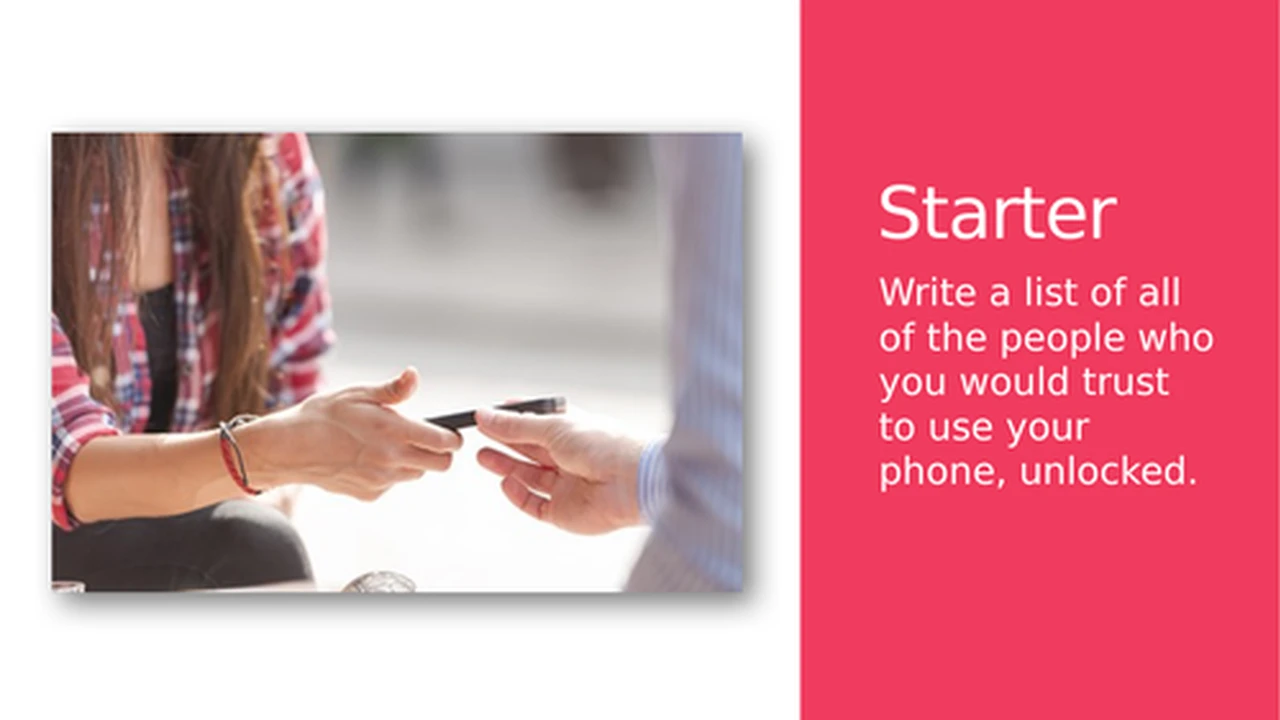
Circle of 6 App: This app (available on iOS and Android, typically free) is designed for personal safety. It allows you to choose six trusted contacts in your 'circle.' If you find yourself in an uncomfortable or unsafe situation, you can send pre-programmed messages to your circle with just two taps. For example, one tap can send a message like 'Call me, I need an interruption' with your exact location. Another can send 'Come and get me' with your location. It's a discreet way to signal for help without drawing attention. It doesn't directly teach consent, but it empowers individuals to remove themselves from potentially non-consensual situations.
Bystander Intervention Training Modules (Online): Many universities offer free online bystander intervention training modules, often through platforms like Everfi or similar educational software. While not a 'product' you purchase, these are interactive digital tools. They typically present scenarios related to sexual assault, harassment, and unhealthy relationships, and then guide you through how to safely intervene. They teach the '5 D's of Bystander Intervention' (Direct, Distract, Delegate, Delay, Document). These modules are incredibly valuable for learning practical skills to promote a safer campus environment. Check your university's student affairs or Title IX website for access to these.
Books and Literature for Deeper Understanding
For those who prefer reading, there are several excellent books that delve into consent and healthy relationships. These are typically available as physical books, e-books, or audiobooks, with prices varying from $10-$25 depending on format and retailer.
'Yes Means Yes! Visions of Female Sexual Power and a World Without Rape' by Jaclyn Friedman and Jessica Valenti: This book is a foundational text in the modern consent movement. It explores the concept of enthusiastic consent and challenges traditional notions of sexual power dynamics. It's a powerful read for understanding the philosophy behind affirmative consent and how it can transform interactions. It's more academic but very accessible.
'The Gift of Fear: Survival Signals That Protect Us From Violence' by Gavin de Becker: While not exclusively about consent, this book teaches you to trust your intuition and recognize warning signs of potential danger in various social interactions. It helps you understand predatory behavior and how to protect yourself, which is indirectly related to avoiding situations where consent might be violated. It's a highly recommended read for personal safety.
'Come As You Are: The Surprising New Science That Will Transform Your Sex Life' by Emily Nagoski: This book, while focused on female sexuality, has excellent sections on communication, desire, and understanding your own body and boundaries. It emphasizes the importance of feeling safe and comfortable for sexual pleasure, which directly ties into the concept of enthusiastic consent and healthy sexual relationships. It's a great resource for understanding intimacy from a scientific and empowering perspective.
These resources, whether they are online platforms, apps, or books, are designed to empower you with knowledge and tools to foster a campus environment where consent is understood, respected, and practiced by everyone. They are invaluable for promoting well-being and ensuring safe, respectful interactions for all students.
:max_bytes(150000):strip_icc()/277019-baked-pork-chops-with-cream-of-mushroom-soup-DDMFS-beauty-4x3-BG-7505-5762b731cf30447d9cbbbbbf387beafa.jpg)