Managing Homesickness and Adjusting to College Life
Cope with the transition by managing homesickness and adjusting to college life. Find strategies for a smooth and positive experience.
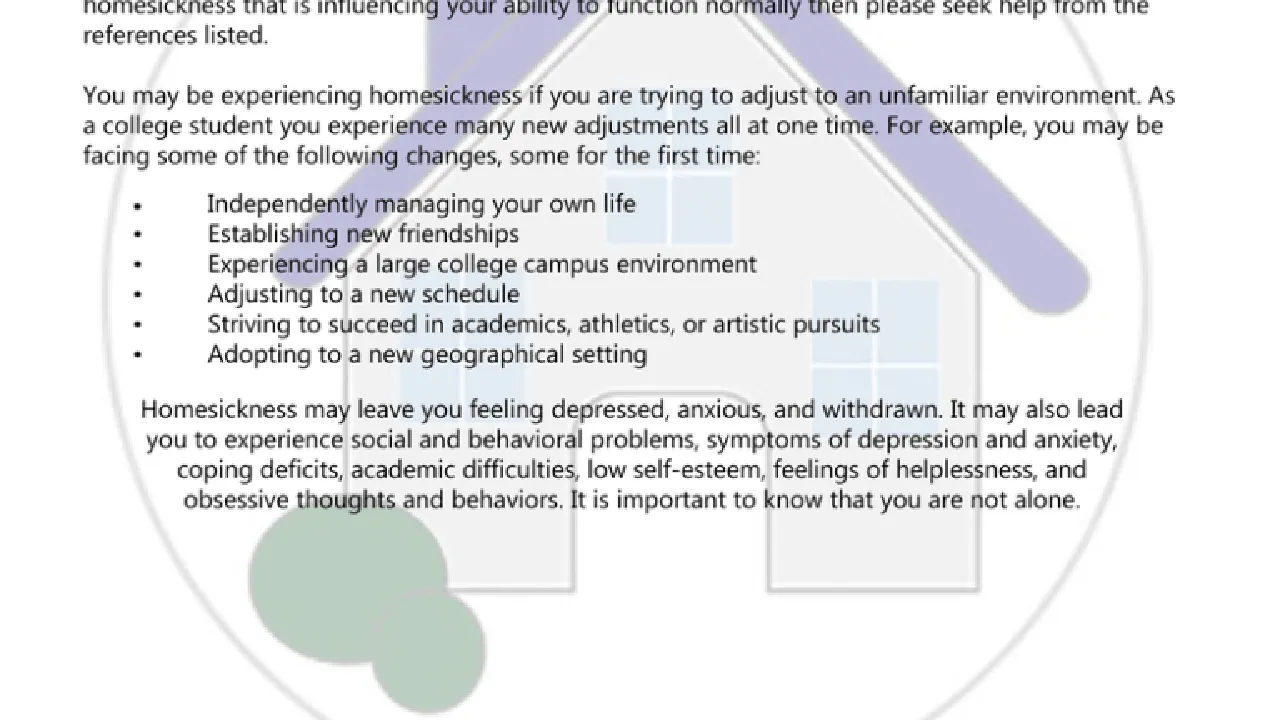
Cope with the transition by managing homesickness and adjusting to college life. Find strategies for a smooth and positive experience.
Managing Homesickness and Adjusting to College Life
Understanding Homesickness The Common College Experience
Stepping into college life is a monumental leap, a thrilling adventure for many, but for just as many, it comes with an unexpected companion: homesickness. It's not just about missing your family or your childhood bedroom; it's a complex cocktail of emotions that can include sadness, anxiety, loneliness, and even physical symptoms like fatigue or loss of appetite. This feeling is incredibly common, affecting a vast majority of students, especially during their first few weeks or months away from home. It’s a natural response to a significant life change, a period of intense adjustment where everything familiar is suddenly replaced by the new and unknown. Recognizing that homesickness is a normal part of the college transition is the first crucial step in managing it. You are not alone in feeling this way, and countless students before you have navigated these waters successfully. Understanding its roots – the loss of routine, familiar faces, and the comfort of home – can help you approach it with empathy for yourself and a strategic mindset.
Building a New Support System Connecting with Peers and Mentors
One of the most effective antidotes to homesickness is to actively build a new support system. Your old network of friends and family is still there, but you need a local one too. This means putting yourself out there, even when it feels uncomfortable. Start by connecting with your roommates or suitemates. These are the people you’ll be living with daily, and they are likely going through similar experiences. Attend orientation events, even the ones that seem cheesy. These are specifically designed to help you meet people. Join clubs and organizations that align with your interests. Whether it’s a sports team, a debate club, a gaming society, or a volunteer group, shared activities are excellent icebreakers. Don't underestimate the power of casual interactions in common areas like dining halls or student lounges. Strike up conversations, ask questions, and be open to new friendships. Beyond peers, seek out faculty and staff. Your academic advisor, professors, or resident assistants (RAs) can be invaluable resources, offering guidance, support, and a sense of belonging. Many universities also have mentorship programs that pair new students with upperclassmen, providing a built-in support network.
Creating a Comfort Zone Personalizing Your Dorm Room
Your dorm room is more than just a place to sleep; it's your new sanctuary, your personal space in a vast new environment. Making it feel like home can significantly alleviate feelings of homesickness. Start by bringing familiar items from home: photos of family and friends, your favorite blanket, a beloved stuffed animal, or even a specific scent like a candle (if allowed) or an essential oil diffuser. Personalize your space with posters, artwork, or decorations that reflect your personality and interests. Arrange your furniture in a way that feels comfortable and functional for you. Consider adding plants to bring some life into the room. Lighting can also play a huge role; warm, soft lighting can make a space feel cozier than harsh overhead fluorescents. The goal is to create an environment where you feel safe, relaxed, and truly yourself. This personalized space becomes a refuge where you can decompress and recharge after a busy day of classes and social interactions.
Establishing a Routine The Power of Predictability
The sudden lack of a familiar routine can be incredibly disorienting and contribute to homesickness. Establishing a new routine, even a loose one, can provide a sense of stability and control. Try to wake up and go to bed around the same time each day, even on weekends. Schedule your study times, meal times, and even your social activities. Knowing what to expect each day can reduce anxiety and make the transition feel less overwhelming. Incorporate activities you enjoy into your routine, whether it's a morning run, an evening reading session, or a weekly coffee date with a new friend. This predictability helps to ground you and creates a sense of normalcy amidst the newness of college life. It also ensures you're balancing academics, social life, and self-care, which are all crucial for well-being.
Staying Connected with Home Healthy Communication Habits
While building a new life at college is essential, maintaining healthy connections with your family and friends back home is also important. However, there's a fine line between staying connected and relying too heavily on home, which can hinder your adjustment. Establish a communication schedule that works for everyone. Maybe it's a weekly video call with your family, or a few texts with your best friend every other day. Avoid constant communication, as this can prevent you from fully immersing yourself in your new environment. When you do connect, share your experiences, both good and bad, but also listen to what's happening back home. Remember that their lives are continuing too. If you find yourself feeling more homesick after calls, try to limit them or shift the focus to positive updates. The goal is to feel supported and loved, not to feel like you're missing out or that your new life isn't enough.
Engaging in Campus Activities Exploring New Interests
Beyond academics, college offers a plethora of opportunities to explore new interests and passions. Actively engaging in campus activities is a fantastic way to combat homesickness and build a sense of belonging. Attend sporting events, concerts, plays, or guest lectures. Many universities host cultural festivals, movie nights, or open mic sessions. These events provide a low-pressure way to meet people and experience the vibrant campus community. Don't be afraid to try something completely new, even if it's outside your comfort zone. You might discover a hidden talent or a new passion. The more you participate, the more invested you become in your new environment, and the more it starts to feel like home. This active engagement helps shift your focus from what you've left behind to the exciting possibilities that lie ahead.
Prioritizing Self Care and Well Being Managing Stress
The transition to college can be incredibly stressful, and stress can exacerbate feelings of homesickness. Prioritizing self-care is not a luxury; it's a necessity. Ensure you're getting enough sleep, aiming for 7-9 hours a night. Maintain a balanced diet, even with the temptations of dorm food and late-night snacks. Regular physical activity, whether it's hitting the gym, going for a run, or joining a dance class, can significantly reduce stress and boost your mood. Practice mindfulness or meditation to help calm your mind. Take breaks from studying and social media. If you're feeling overwhelmed, don't hesitate to reach out to campus resources like counseling services or student health centers. They are there to support your well-being and can offer professional guidance and strategies for managing stress and homesickness. Remember, taking care of yourself physically and mentally is foundational to a positive college experience.
Seeking Professional Help When Homesickness Becomes Overwhelming
While homesickness is a normal part of the college transition, for some students, it can become debilitating, impacting their academic performance, social life, and overall well-being. If your homesickness is persistent, severe, and interfering with your daily functioning, it's crucial to seek professional help. Most universities offer free or low-cost counseling services staffed by trained mental health professionals. They can provide a safe space to talk about your feelings, offer coping strategies, and help you develop a plan to navigate your emotions. Don't view seeking help as a sign of weakness; it's a sign of strength and self-awareness. Early intervention can prevent homesickness from escalating into more serious mental health challenges like depression or anxiety. Your RA, academic advisor, or a trusted professor can also help you connect with these resources. Remember, your well-being is paramount, and there are people on campus who want to support you through this adjustment period.
Recommended Products for Comfort and Connection
Smart Light Bulbs for Ambiance and Routine
Smart light bulbs can dramatically change the atmosphere of a dorm room, making it feel more like home. They offer customizable colors and brightness, allowing you to create a cozy, warm glow for relaxation or bright, cool light for studying. Many also have scheduling features, which can help establish a routine by gradually brightening in the morning or dimming at night. This can be particularly helpful for students adjusting to new sleep patterns.
- Philips Hue White and Color Ambiance Smart Bulb: These are premium options known for their wide color range and seamless integration with smart home ecosystems. They offer excellent brightness and color accuracy.
- Govee Smart Light Bulbs: A more budget-friendly alternative, Govee bulbs offer vibrant colors and app control, often with music sync features for a fun dorm atmosphere.
- Usage Scenario: Use warm white light in the evenings for relaxation, bright white for studying, and fun colors for social gatherings. Schedule them to turn on/off with your daily routine.
- Comparison: Philips Hue offers superior ecosystem integration and color quality, but Govee provides excellent value for money with similar core features.
- Price Range: Philips Hue bulbs typically range from $30-$50 per bulb. Govee bulbs are often $10-$20 per bulb.
Weighted Blankets for Anxiety and Sleep
Weighted blankets provide deep pressure stimulation, which can have a calming effect, similar to a hug. This can be incredibly beneficial for students experiencing anxiety, stress, or difficulty sleeping due to homesickness. The gentle pressure helps to release serotonin and melatonin, promoting relaxation and better sleep quality.
- Bearaby Cotton Napper: A premium, breathable option made from organic cotton, known for its comfortable knit design that prevents overheating.
- Quility Weighted Blanket: A popular and more affordable choice, often filled with glass beads and available with a removable, washable cover.
- Usage Scenario: Use it at night for better sleep, or during the day when feeling overwhelmed or anxious. It can be a comforting presence during study breaks.
- Comparison: Bearaby offers superior breathability and aesthetic appeal, while Quility provides a more traditional weighted blanket experience at a lower price point.
- Price Range: Bearaby blankets can range from $200-$300+. Quility blankets are typically $50-$100.
Portable Photo Printers for Instant Memories
Having physical photos of loved ones and new friends can be a powerful antidote to homesickness. Portable photo printers allow students to instantly print photos from their phones, creating a tangible connection to their memories and helping to personalize their space.
- HP Sprocket Portable Photo Printer: Compact and easy to use, it prints 2x3 inch sticky-back photos, perfect for decorating walls or notebooks.
- Canon IVY Mini Photo Printer: Similar to the Sprocket, offering vibrant prints and a user-friendly app.
- Usage Scenario: Print photos of family and friends to put on your desk or wall. Print new photos with college friends to commemorate new experiences and build new memories.
- Comparison: Both offer similar functionality and print quality. The choice often comes down to brand preference or specific app features.
- Price Range: Both HP Sprocket and Canon IVY printers are typically $80-$130.
Noise-Canceling Headphones for Personal Space
Dorm life can be noisy, and constant background noise can make it difficult to relax, study, or even sleep. Noise-canceling headphones create a personal bubble of quiet, allowing students to focus, de-stress, and feel more in control of their environment.
- Sony WH-1000XM5: Top-tier noise cancellation, excellent sound quality, and comfortable for long wear. Ideal for studying in noisy environments or finding peace.
- Anker Soundcore Life Q30: A highly-rated budget-friendly option that offers surprisingly good noise cancellation and sound for its price.
- Usage Scenario: Use them for studying in a busy common area, blocking out roommate noise, or simply to create a quiet space for relaxation or meditation.
- Comparison: Sony offers superior noise cancellation and audio fidelity, but Anker provides an excellent value proposition for students on a tighter budget.
- Price Range: Sony WH-1000XM5 are typically $300-$400. Anker Soundcore Life Q30 are often $70-$100.
Aromatherapy Diffusers for Calming Scents
Certain scents can have a profound impact on mood and well-being. An aromatherapy diffuser, used with essential oils like lavender for relaxation or citrus for energy, can help create a calming and familiar atmosphere in a dorm room, combating stress and homesickness. (Always check dorm rules regarding diffusers and essential oils for fire safety).
- VicTsing 300ml Essential Oil Diffuser: A popular, affordable, and reliable option with various mist modes and LED light options.
- ASAKUKI 500ml Essential Oil Diffuser: Offers a larger water capacity for longer diffusion times and often comes with a remote control.
- Usage Scenario: Diffuse calming scents like lavender before bed, or uplifting scents like peppermint or lemon during study sessions.
- Comparison: Both are good budget options; ASAKUKI offers a larger capacity, while VicTsing is a solid all-rounder.
- Price Range: Both are typically $20-$40.
:max_bytes(150000):strip_icc()/277019-baked-pork-chops-with-cream-of-mushroom-soup-DDMFS-beauty-4x3-BG-7505-5762b731cf30447d9cbbbbbf387beafa.jpg)