Top 5 Mental Health Resources for College Students
Prioritize your well-being with the top 5 mental health resources for college students. Find support and strategies for managing stress.
Prioritize your well-being with the top 5 mental health resources for college students. Find support and strategies for managing stress.
Top 5 Mental Health Resources for College Students
College life is an exciting journey, but it can also be incredibly challenging. The pressure to perform academically, navigate new social dynamics, manage finances, and often live away from home for the first time can take a significant toll on your mental health. It's more common than you think for students to experience stress, anxiety, depression, and other mental health concerns during their academic careers. Recognizing this, it's crucial to know where to turn for support. This article will guide you through the top five mental health resources available to college students, offering practical advice, specific product recommendations where applicable, and a comparison of their benefits and uses.
On-Campus Counseling Services Your First Line of Support
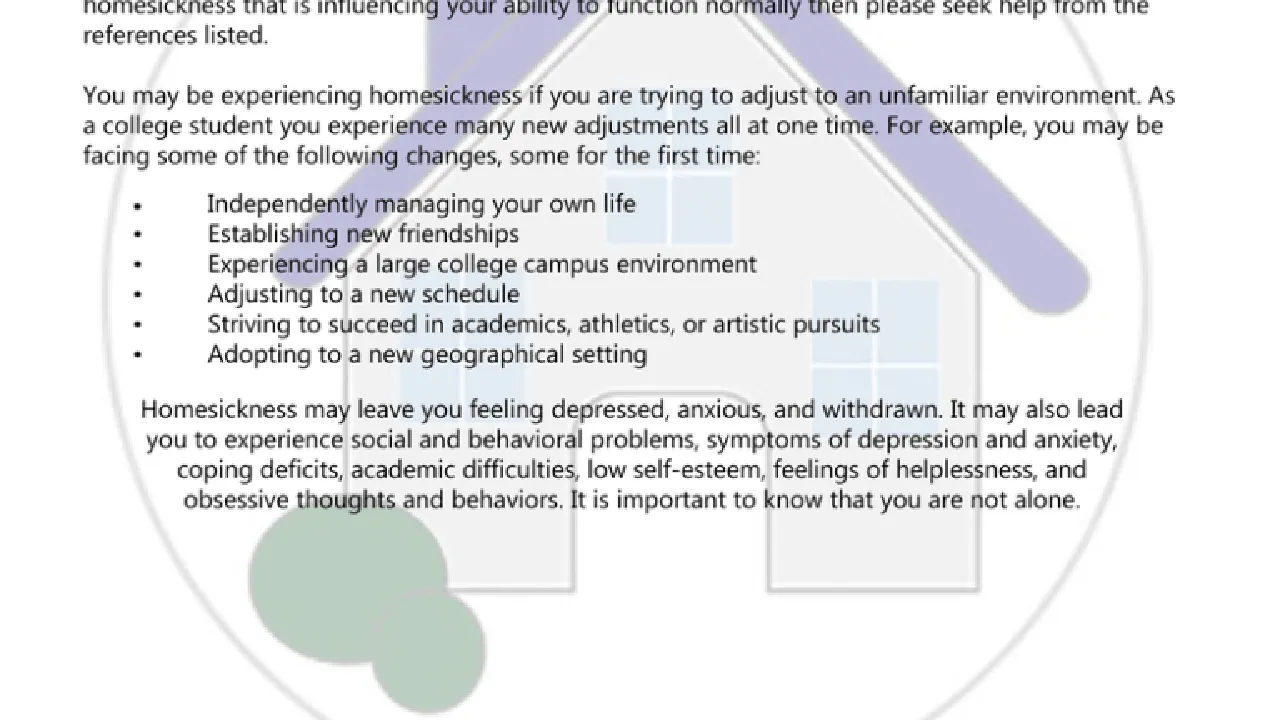
Almost every university and college offers on-campus counseling services, and these are often your most accessible and affordable option. These services are typically staffed by licensed therapists, psychologists, and social workers who specialize in issues common among college students. They provide a safe, confidential space to discuss your concerns, whether it's academic stress, relationship problems, anxiety, depression, or homesickness.
What They Offer and How to Access Them
On-campus counseling centers usually provide a range of services, including individual therapy, group therapy, crisis intervention, and workshops on topics like stress management, mindfulness, and improving sleep. The process to access these services is usually straightforward: you can typically call or visit the center to schedule an initial intake appointment. During this session, a counselor will assess your needs and recommend the most appropriate course of action.
Benefits and Considerations
The primary benefits of on-campus counseling include convenience, affordability (often free or low-cost for enrolled students), and counselors who are familiar with the unique pressures of university life. They can also easily refer you to other campus resources if needed. However, a potential drawback can be wait times, especially during peak periods. Some centers might also have limits on the number of sessions you can attend.
Example Scenario
Imagine you're a freshman feeling overwhelmed by your coursework and struggling to make friends. You're constantly anxious and finding it hard to sleep. Visiting your university's counseling center would be an excellent first step. They could offer individual sessions to help you develop coping mechanisms for anxiety and stress, or suggest a group therapy session focused on social anxiety to help you connect with peers facing similar challenges.
Telehealth and Online Therapy Platforms Accessible Mental Health Care
In recent years, telehealth and online therapy platforms have revolutionized access to mental health care, offering flexibility and convenience, especially for students with busy schedules or those who prefer the privacy of their own space. These platforms connect you with licensed therapists via video calls, phone calls, or even text messaging.
Popular Platforms and Their Features
Several reputable online therapy platforms cater to a wide range of needs and budgets. Here are a few notable ones:
- BetterHelp: One of the largest online counseling platforms, BetterHelp offers access to licensed therapists, counselors, psychologists, and social workers. They provide unlimited messaging, live chat, phone, and video sessions. You're matched with a therapist based on your preferences and needs, and you can switch therapists at any time.
- Talkspace: Similar to BetterHelp, Talkspace offers unlimited messaging therapy with scheduled live sessions. They have a wide network of licensed therapists specializing in various areas, including anxiety, depression, relationships, and LGBTQ+ issues.
- Amwell: Amwell provides a broader range of telehealth services, including urgent care, but also offers therapy and psychiatry. You can schedule video appointments with licensed therapists and psychiatrists for medication management if needed.
- MDLive: Another comprehensive telehealth provider, MDLive offers virtual consultations for mental health, including therapy and psychiatry. They focus on providing quick access to care.
Comparison of Platforms and Pricing
The pricing for these platforms varies, often depending on the subscription plan and the type of service (messaging only vs. live sessions). Generally, they operate on a subscription model, with weekly or monthly billing. For example, BetterHelp can range from $60 to $90 per week, billed monthly, while Talkspace plans can start around $65 per week for messaging and go up for live sessions. Amwell and MDLive typically charge per session, similar to traditional in-person therapy, but often at a more competitive rate. Some platforms may accept insurance, so it's always worth checking your policy.
Use Cases and Benefits
Online therapy is ideal for students who:
- Have limited access to in-person therapy due to location or transportation.
- Prefer the convenience and flexibility of scheduling sessions around their academic commitments.
- Feel more comfortable discussing sensitive topics from the privacy of their own room.
- Are looking for a more affordable alternative to traditional therapy.
The main benefit is accessibility and flexibility. However, it might not be suitable for severe mental health crises, and the lack of in-person interaction might not suit everyone.
Mental Health Apps and Digital Tools Self-Help at Your Fingertips
For students looking for immediate support, self-help tools, or ways to track their mood and progress, mental health apps and digital tools can be incredibly valuable. These apps often incorporate principles of cognitive behavioral therapy (CBT), mindfulness, and meditation to help users manage stress, anxiety, and improve overall well-being.
Recommended Apps and Their Features
- Calm: A popular meditation and sleep app, Calm offers guided meditations, sleep stories, breathing exercises, and masterclasses on various mental wellness topics. It's excellent for reducing stress, improving sleep quality, and practicing mindfulness.
- Headspace: Similar to Calm, Headspace provides guided meditations for various situations (stress, focus, sleep), mindfulness exercises, and short animations explaining mental health concepts.
- MoodGYM: An interactive online program based on CBT principles, MoodGYM helps users identify and challenge unhelpful thinking patterns, develop coping skills, and improve their mood. It's more structured than a meditation app and offers practical exercises.
- Sanvello: Sanvello offers a comprehensive suite of tools, including mood tracking, guided meditations, CBT exercises, and a community forum. It can also connect users with therapists for online therapy.
- Woebot: Woebot is an AI-powered chatbot that uses CBT and dialectical behavior therapy (DBT) techniques to help users manage their mental health. It provides daily check-ins, mood tracking, and exercises to challenge negative thoughts.
Pricing and Accessibility
Many of these apps offer free basic versions with premium features available through subscription. For example, Calm and Headspace typically cost around $15 per month or $70 per year for full access. MoodGYM is often free or low-cost, depending on your region. Sanvello has a free tier and a premium subscription, and some health insurance plans may cover it. Woebot is generally free to use.
When to Use Them
These apps are best used as supplementary tools to professional therapy or for managing mild to moderate stress and anxiety. They are excellent for:
- Daily mindfulness practice.
- Tracking mood and identifying triggers.
- Learning basic coping mechanisms.
- Getting immediate, on-demand support for minor stressors.
They are not a substitute for professional mental health care, especially for severe conditions.
Peer Support Groups and Student Organizations Building Community and Connection
Sometimes, the most powerful support comes from connecting with others who understand what you're going through. Peer support groups and student organizations focused on mental health or specific shared experiences can provide a sense of community, reduce feelings of isolation, and offer practical advice from those who have navigated similar challenges.
Types of Groups and How to Find Them
Many universities have student-led mental health advocacy groups, support groups for specific conditions (e.g., anxiety, depression, eating disorders), or general wellness clubs. You can usually find information about these groups through your university's student activities office, counseling center, or online student portals. National organizations like the National Alliance on Mental Illness (NAMI) also have college-specific programs and chapters.
Benefits of Peer Support
The benefits of peer support are numerous:
- Reduced Stigma: Being in a group with others who share similar experiences can help normalize mental health struggles and reduce feelings of shame or isolation.
- Shared Coping Strategies: Members can share effective coping mechanisms and practical advice that they've found helpful.
- Sense of Belonging: Building connections with peers fosters a sense of community and belonging, which is crucial for mental well-being.
- Empowerment: Peer support can empower individuals to take an active role in their recovery and advocate for themselves.
Considerations
While incredibly beneficial, peer support groups are not a substitute for professional therapy, especially for severe mental health conditions. They are best used as a complementary resource to provide social support and shared understanding.
Crisis Hotlines and Emergency Services Immediate Help When You Need It Most
For situations requiring immediate attention, such as suicidal thoughts, severe panic attacks, or other mental health emergencies, crisis hotlines and emergency services are vital resources. These services are available 24/7 and can provide immediate support, de-escalation, and connection to further care.
Key Crisis Resources
- National Suicide Prevention Lifeline (988): In the U.S., you can call or text 988 anytime to connect with trained crisis counselors. This service is free, confidential, and available 24/7.
- Crisis Text Line (Text HOME to 741741): This service provides free, 24/7 support via text message. You'll be connected with a trained crisis counselor who can help you through difficult moments.
- The Trevor Project (1-866-488-7386 or text START to 678-678): Specifically for LGBTQ young people, The Trevor Project offers crisis intervention and suicide prevention services.
- Your University's Emergency Services: Most universities have their own emergency numbers or campus police who can respond to mental health crises. It's crucial to know this number and when to use it.
- Local Emergency Services (911): In severe, life-threatening situations where immediate intervention is needed, calling 911 is appropriate. Inform the dispatcher that it's a mental health emergency if possible, so they can dispatch appropriate responders.
When to Use These Resources
These resources are for immediate crisis situations. If you or someone you know is experiencing:
- Suicidal thoughts or intentions.
- Severe self-harm urges.
- Psychotic episodes (hallucinations, delusions).
- An inability to function due to extreme distress.
- Any situation where safety is at risk.
Do not hesitate to reach out to these services. They are designed to provide immediate support and ensure safety.
Navigating college life with mental health challenges can feel isolating, but you are not alone. A wealth of resources is available to support your well-being. Whether it's the confidential space of on-campus counseling, the flexibility of online therapy, the self-help tools of mental health apps, the community of peer support groups, or the immediate lifeline of crisis services, there's a path to support that fits your needs. Prioritizing your mental health is just as important as your academic success, and reaching out for help is a sign of strength, not weakness. Take the first step today towards a healthier, happier college experience.
:max_bytes(150000):strip_icc()/277019-baked-pork-chops-with-cream-of-mushroom-soup-DDMFS-beauty-4x3-BG-7505-5762b731cf30447d9cbbbbbf387beafa.jpg)