{ "article": [ { "title": "Essential First Aid Kit Items for Student Health", "meta_description": "Prepare for minor emergencies with essential first aid kit items for student health. Stay safe and healthy throughout the academic year.", "content": "Prepare for minor emergencies with essential first aid kit items for student health. Stay safe and healthy throughout the academic year.\n\n
\n\n
Why Every Student Needs a Well-Stocked First Aid Kit Campus Safety First
\n\nLiving independently, especially for the first time, comes with a lot of excitement and new responsibilities. One crucial aspect that often gets overlooked is personal health and safety. While universities and colleges have health centers, for minor scrapes, headaches, or unexpected allergies, having a personal first aid kit can be a lifesaver. It’s not just about convenience; it’s about being prepared for those small, everyday incidents that can disrupt your studies or well-being. Think about it: a paper cut during a late-night study session, a sudden headache before a big exam, or a blister from walking around campus all day. These aren't emergencies that warrant a trip to the campus clinic, but they can certainly be uncomfortable and distracting. A well-stocked first aid kit empowers you to handle these situations quickly and efficiently, allowing you to get back to what matters most: your academic pursuits and enjoying student life. Moreover, for international students or those far from home, having familiar remedies can provide a sense of comfort and security. It’s a proactive step towards maintaining your health and ensuring you can tackle any minor health hiccup that comes your way.\n\n
The Foundation of Your First Aid Kit Basic Wound Care Essentials
\n\nLet's start with the absolute basics: wound care. Cuts, scrapes, and blisters are incredibly common, especially in a busy student environment. Having the right supplies to clean and cover these minor injuries is paramount to prevent infection and promote healing. You don't need a surgical suite, but a few key items will make a world of difference.\n\nFirst up, **antiseptic wipes or solution**. These are crucial for cleaning wounds before bandaging. Alcohol wipes are common, but consider something like **Povidone-iodine wipes** or a small bottle of **hydrogen peroxide** for more thorough cleaning. For example, **Dynarex Povidone-iodine Prep Pads (around $8 for 100)** are individually wrapped and easy to carry. They're great for disinfecting small cuts or abrasions. Alternatively, a small bottle of **3% Hydrogen Peroxide (around $2-3 for 8oz)** is a classic for bubbling away dirt and bacteria from deeper scrapes.\n\nNext, **adhesive bandages** in assorted sizes. You'll need everything from small circular bandages for tiny nicks to larger rectangular ones for bigger scrapes. Brands like **Band-Aid (various prices, a multi-pack is usually $5-10)** are reliable and come in various shapes and sizes, including flexible fabric ones for joints. For blisters, **Compeed Blister Cushions (around $7-10 for a pack of 5)** are fantastic. They provide cushioning and promote healing, making walking much more comfortable. They are far superior to regular bandages for blister relief.\n\nDon't forget **sterile gauze pads** and **medical tape**. Gauze pads are essential for covering larger wounds or for applying pressure to stop bleeding. **Curad Non-Stick Pads (around $4-6 for a box of 25)** are a good choice as they won't stick to the wound. Medical tape, like **3M Micropore Surgical Tape (around $5-7 per roll)**, is gentle on the skin and holds dressings securely in place. It's breathable and less likely to cause irritation than regular adhesive tape.\n\nFinally, a pair of **small, sharp scissors** and **tweezers**. Scissors are for cutting tape or gauze, and tweezers are invaluable for removing splinters or small debris from wounds. Look for a compact, stainless steel set that can be easily sanitized. A basic **first aid scissor and tweezer set (around $5-10)** can be found at most pharmacies.\n\n
Pain Relief and Symptom Management Over-the-Counter Medications for Students
\n\nBeyond cuts and scrapes, students often face common ailments like headaches, fevers, and colds. Having a small supply of over-the-counter (OTC) medications can provide quick relief and prevent these minor issues from escalating. Always remember to check expiration dates and consult a doctor if symptoms persist or worsen.\n\n**Pain relievers and fever reducers** are a must. **Ibuprofen (e.g., Advil, Motrin – generic brands are much cheaper, around $5-10 for 100 tablets)** is excellent for headaches, muscle aches, and reducing fever and inflammation. **Acetaminophen (e.g., Tylenol – generic brands also affordable, around $5-10 for 100 tablets)** is another good option, particularly if you have stomach sensitivities to ibuprofen. It's primarily for pain and fever.\n\nFor cold and flu symptoms, consider a **multi-symptom cold medicine**. Brands like **DayQuil/NyQuil (around $10-15 for a combo pack)** offer daytime non-drowsy relief and nighttime formulas to help with sleep. Alternatively, individual medications like **decongestants (e.g., Sudafed, around $8-12)** for stuffy noses and **cough suppressants (e.g., Delsym, around $10-15)** for coughs can be useful. **Sore throat lozenges (e.g., Halls, Ricola – around $3-5 per bag)** are also a comforting addition.\n\n**Antihistamines** are important, especially if you have seasonal allergies or unexpected reactions. **Diphenhydramine (e.g., Benadryl – generic around $5-8 for 100 tablets)** can help with allergic reactions, itching, and can also aid sleep due to its drowsy side effect. For non-drowsy relief, **Loratadine (e.g., Claritin – generic around $10-15 for 30 tablets)** or **Cetirizine (e.g., Zyrtec – generic around $10-15 for 30 tablets)** are good choices for daily allergy management.\n\nDon't forget **antacids** for indigestion or heartburn. **Tums (around $5-8 for a large bottle)** or **Rolaids** are chewable and provide quick relief. For diarrhea, **Loperamide (e.g., Imodium AD – generic around $5-8 for 12 tablets)** can be very effective in managing symptoms, especially when you're away from your dorm or during travel.\n\nFinally, a small tube of **hydrocortisone cream (around $5-7)** for insect bites, rashes, or minor skin irritations. It helps reduce itching and inflammation. And for muscle aches or sprains, a small **cold pack or instant ice pack (around $2-5 each)** can provide immediate relief. Reusable gel packs are more environmentally friendly and cost-effective in the long run.\n\n
Special Considerations and Personal Needs Tailoring Your Kit
\n\nWhile the basics cover a lot, your first aid kit should also reflect your personal health needs and any specific conditions you might have. This is where personalization comes in, ensuring your kit is truly effective for *you*.\n\nIf you have known allergies, especially severe ones, carrying an **EpiPen (prescription only, price varies widely but can be very expensive without insurance, often $300-$600 per two-pack)** is non-negotiable. Always ensure it's up-to-date and you know how to use it. For less severe allergies, as mentioned, antihistamines are key.\n\nFor those who wear contact lenses, a small travel-sized bottle of **contact lens solution (around $5-10)** and a spare case can be a lifesaver if you lose or tear a lens. Eye drops for dry or irritated eyes are also a good idea, especially with increased screen time. **Systane Ultra Lubricant Eye Drops (around $10-15)** are a popular choice.\n\nIf you take any **prescription medications**, always carry at least a few days' supply in your first aid kit, especially when traveling or during busy periods when you might forget to refill. Keep them in their original containers with clear labeling. This is crucial for identification in an emergency.\n\nFor students prone to motion sickness, **Dramamine (around $5-8 for a small pack)** or **Bonine** can be very helpful for bus rides, car trips, or even just feeling queasy. For digestive issues beyond simple indigestion, consider **Pepto-Bismol chewables or liquid (around $5-10)** for upset stomach, nausea, and diarrhea.\n\nDon't underestimate the power of **hand sanitizer (around $3-5 for a travel size)**. In a communal living environment, good hand hygiene is your first line of defense against germs. A small bottle of **Aloe Vera gel (around $5-8)** is also soothing for minor burns or sunburns, which can happen unexpectedly during outdoor activities.\n\nFinally, consider a small **flashlight (around $5-10)**. Power outages can happen, and a small light can be incredibly useful for navigating your dorm room or finding items in the dark. A **whistle (around $2-5)** can also be a simple but effective safety tool in an emergency situation, especially if you need to attract attention.\n\n
Where to Store Your Kit and When to Replenish It Accessibility and Maintenance
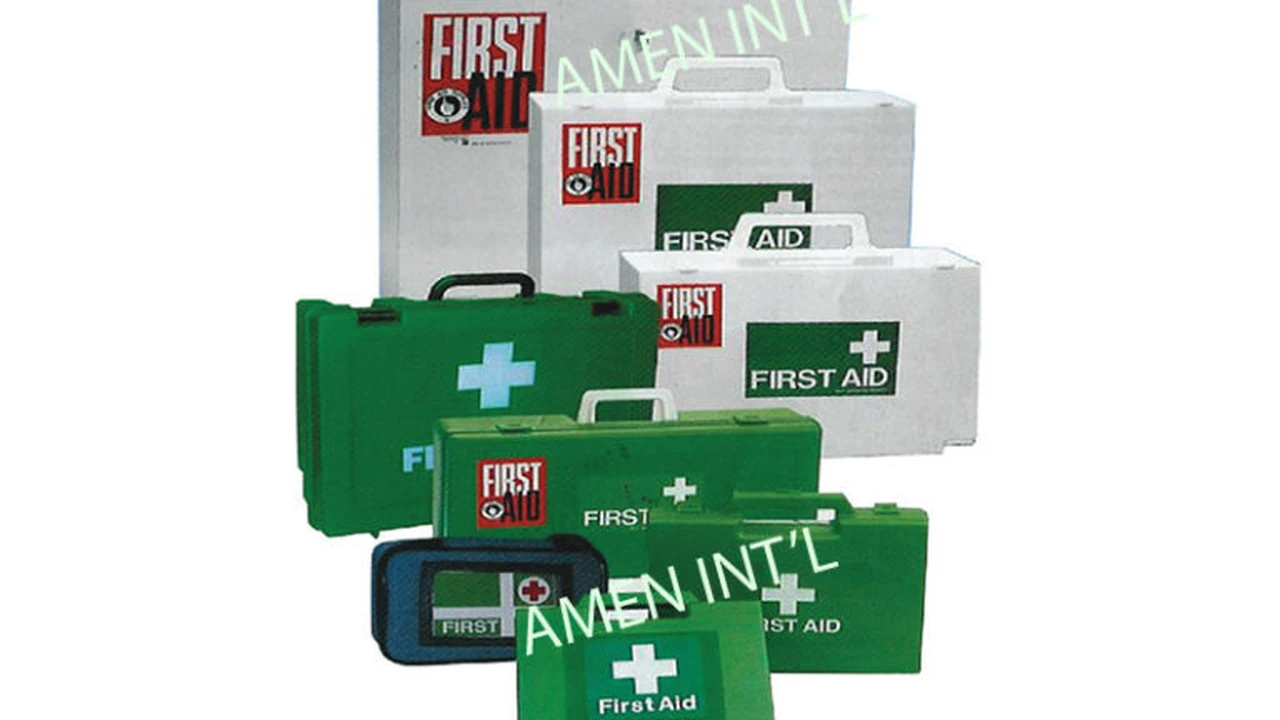
\n\nHaving a first aid kit is only useful if it's accessible and well-maintained. The ideal location for your kit is somewhere easily reachable but also out of the way of daily clutter. A drawer in your desk, a shelf in your closet, or a dedicated bin under your bed are all good options. Avoid storing it in the bathroom where humidity can affect medications.\n\nChoose a **durable, waterproof container** for your kit. A small plastic tackle box, a zippered fabric pouch, or a dedicated first aid bag are all suitable. The key is that it keeps everything organized and protected. **First Aid Only 299 Piece All-Purpose First Aid Kit (around $20-30)** often comes in a sturdy plastic case and provides a good starting point, though you'll want to customize it.\n\nRegularly **check the expiration dates** of all medications and replace anything that has expired. A good rule of thumb is to do a quick check at the beginning of each semester or every six months. Also, replenish items as you use them. Don't wait until you're completely out of bandages to buy more. A quick inventory check after using an item will ensure your kit is always ready.\n\nConsider adding a small **laminated card with emergency contact numbers** (campus security, local emergency services, family members) and any important medical information (allergies, chronic conditions). This can be invaluable in a situation where you might not be able to communicate clearly.\n\nFinally, make sure you and anyone you live with (like roommates) know where the kit is and what's inside. A quick rundown can save precious time in a minor emergency. Being prepared isn't about being paranoid; it's about being responsible and ensuring your well-being throughout your academic journey.
:max_bytes(150000):strip_icc()/277019-baked-pork-chops-with-cream-of-mushroom-soup-DDMFS-beauty-4x3-BG-7505-5762b731cf30447d9cbbbbbf387beafa.jpg)