Make a difference by exploring the top 4 ways to get involved in community service. Contribute to your local community and gain valuable experience.
Make a difference by exploring the top 4 ways to get involved in community service. Contribute to your local community and gain valuable experience.
Top 4 Ways to Get Involved in Community Service
Why Community Service Matters for Students
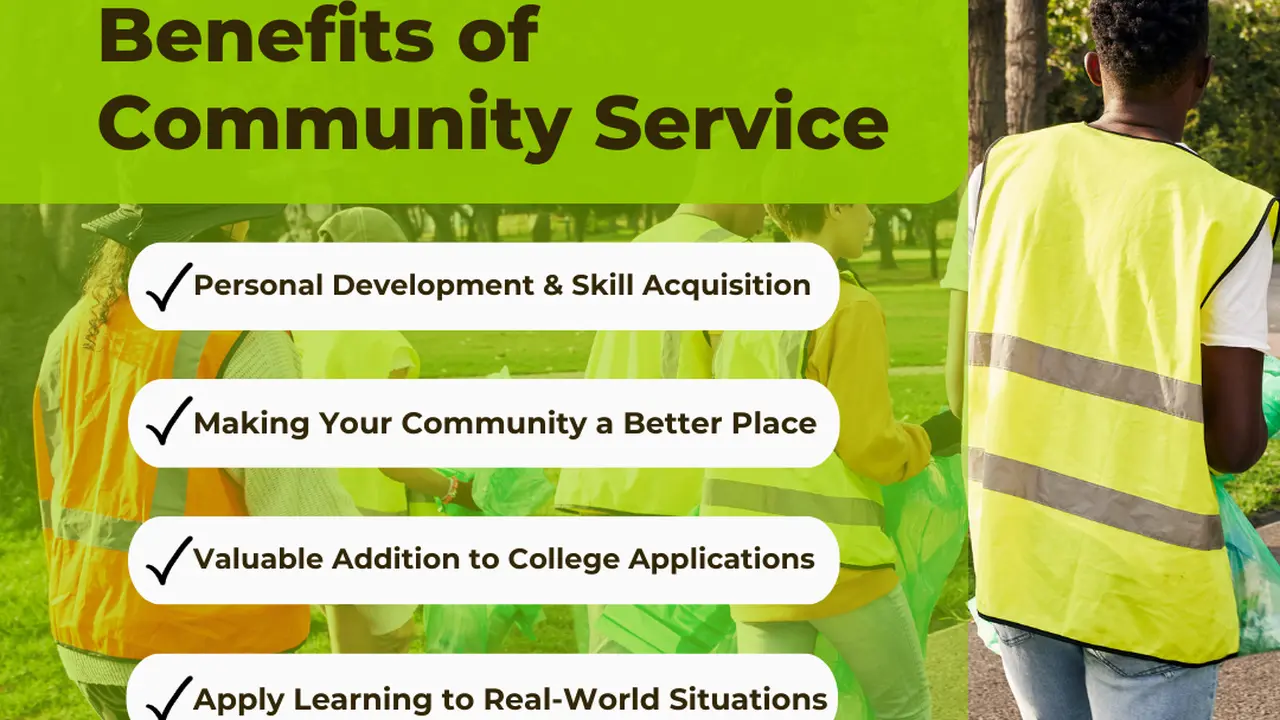
Community service isn't just about giving back; it's a powerful tool for personal growth, skill development, and even career advancement. For students, engaging in community service offers a unique blend of practical experience, networking opportunities, and a chance to make a tangible impact on the world around them. Think about it: you're not just learning theories in a classroom; you're applying your knowledge, developing new skills, and understanding real-world challenges firsthand. This kind of experience looks fantastic on a resume, shows initiative, and can even help you discover new passions or career paths you hadn't considered before. Plus, it's incredibly rewarding to know you're contributing to something bigger than yourself. It builds character, fosters empathy, and connects you with diverse groups of people, enriching your overall university experience.
Volunteering Through University Programs and Clubs
One of the easiest and most structured ways to get involved in community service is through your university's own programs and student clubs. Most universities have dedicated offices for community engagement or service learning, and a plethora of student organizations focused on various causes. These avenues often provide pre-vetted opportunities, transportation, and a supportive network of fellow student volunteers. It's a fantastic starting point, especially if you're new to volunteering or unsure where to begin.
Your university's community service office is a goldmine of information. They often partner with local non-profits, schools, and community centers, offering a wide range of volunteer roles. These could include tutoring underprivileged children, assisting at local food banks, participating in environmental clean-ups, or helping out at animal shelters. The beauty of these programs is that they're usually well-organized, with clear objectives and often provide training. You might find opportunities that align directly with your major, like engineering students helping with Habitat for Humanity, or nursing students assisting at health clinics. This direct application of your academic knowledge in a real-world setting is invaluable.
Joining Student Organizations Focused on Social Impact
Beyond official university programs, student clubs are another vibrant avenue. From Amnesty International chapters to environmental advocacy groups, or even clubs dedicated to specific diseases like cancer research, there's likely a club for almost every cause. These clubs often organize their own volunteer events, fundraisers, and awareness campaigns. Joining one allows you to connect with like-minded peers, take on leadership roles, and contribute to causes you're passionate about. For example, a pre-med club might organize blood drives or volunteer at local hospitals, while a business club might offer pro-bono consulting to small non-profits. The social aspect is a huge bonus too; you'll make friends while making a difference.
Independent Volunteering and Local Non-Profits
If university-specific programs don't quite fit your schedule or interests, or if you're looking for more flexibility, directly reaching out to local non-profit organizations is an excellent option. This approach gives you more control over where and how you volunteer, allowing you to tailor your experience to your specific passions and availability.
Finding Local Volunteer Opportunities Near Campus
Start by identifying causes that resonate with you. Are you passionate about animal welfare, environmental conservation, supporting the homeless, or advocating for human rights? Once you have a general idea, a quick online search for non-profits in your university's city or town will yield numerous results. Websites like VolunteerMatch.org, Idealist.org, or even local United Way chapters are fantastic resources for finding opportunities. Many non-profits also list volunteer needs directly on their websites. Don't be afraid to cold-email or call organizations that interest you, even if they don't have a specific volunteer opening listed. Sometimes, they might have a need they haven't advertised yet, or they might be able to create a role for a dedicated volunteer.
Popular Local Non-Profit Organizations for Student Volunteers
Let's talk about some common types of organizations where students often find fulfilling volunteer roles. Food banks and soup kitchens are always in need of help, whether it's sorting donations, preparing meals, or serving guests. Animal shelters require volunteers for walking dogs, cleaning kennels, and assisting with adoptions. Environmental groups often organize park clean-ups, tree planting events, or conservation projects. Hospitals and nursing homes welcome volunteers for patient companionship, administrative tasks, or assisting with activities. Tutoring centers or after-school programs are great for students who enjoy working with children and helping with academics. Libraries often need help with shelving books, organizing events, or assisting patrons. The key is to find an organization whose mission aligns with your values and where you feel you can genuinely contribute.
Skill-Based Volunteering and Pro-Bono Work
As you progress in your academic journey and develop specialized skills, consider skill-based volunteering, also known as pro-bono work. This type of volunteering leverages your academic knowledge or professional skills to help non-profits or individuals who might not otherwise afford such services. It's a fantastic way to gain practical experience in your field while making a significant impact.
Leveraging Your Academic Skills for Community Benefit
Are you a marketing student? Offer to help a small non-profit with their social media strategy or website content. A computer science major? You could assist with database management or website development for a local charity. Graphic design student? Design flyers, logos, or promotional materials. Accounting student? Help a non-profit with their bookkeeping or financial planning. The possibilities are endless. This type of volunteering not only provides invaluable experience that directly relates to your future career but also creates a portfolio of work that you can showcase to potential employers. It demonstrates initiative, problem-solving abilities, and a commitment to using your skills for good.
Platforms for Finding Skill-Based Volunteer Opportunities
Several platforms specialize in connecting skilled volunteers with organizations in need. Catchafire.org is a popular one, focusing on pro-bono projects in areas like marketing, technology, and human resources. Taproot Foundation also connects business professionals with non-profits for pro-bono consulting. For more tech-oriented skills, organizations like Code for America work on civic tech projects. Even general volunteer platforms like VolunteerMatch often have filters for skill-based opportunities. Don't underestimate the value of your academic training; it can be a powerful force for positive change in your community.
Virtual Volunteering and Online Contributions
In today's digital age, volunteering isn't limited to physical presence. Virtual volunteering offers incredible flexibility, allowing you to contribute from anywhere with an internet connection. This is particularly beneficial for students with busy schedules, limited transportation, or those looking to gain experience in remote work environments.
Exploring Remote Volunteer Opportunities from Home
Virtual volunteering encompasses a vast array of tasks. You could be transcribing historical documents for the Smithsonian, translating texts for Doctors Without Borders, providing online tutoring to students in remote areas, or even moderating online forums for support groups. Many non-profits now rely heavily on virtual volunteers for tasks like social media management, website updates, data entry, research, and grant writing. The beauty of virtual volunteering is its accessibility; you can often set your own hours and work at your own pace, making it easy to integrate into a demanding academic schedule.
Popular Platforms for Online Community Service
Several platforms facilitate virtual volunteering. Zooniverse.org allows you to contribute to scientific research by analyzing data or classifying images. Translators Without Borders connects language professionals with humanitarian organizations. The United Nations Volunteers (UNV) program offers a wide range of online opportunities, from research to graphic design. LibriVox needs volunteers to record audiobooks for public domain works. Even organizations like the American Red Cross offer virtual roles. When looking for virtual opportunities, ensure the platform or organization is reputable and that the tasks align with your interests and skills. This flexibility means you can contribute to causes anywhere in the world, expanding your impact far beyond your local community.
Making the Most of Your Volunteer Experience
No matter which path you choose, remember that the quality of your volunteer experience often depends on your approach. Be reliable, communicate effectively, and always strive to do your best. Treat your volunteer role with the same professionalism you would a paid job. This not only benefits the organization but also maximizes the personal and professional gains you'll receive.
Tracking Your Volunteer Hours and Impact
It's a good idea to keep a record of your volunteer hours and the specific tasks you performed. Many universities or organizations provide a system for this, but if not, a simple spreadsheet will do. This record is invaluable when applying for scholarships, internships, or jobs, as it allows you to quantify your contributions. More importantly, reflect on the impact you're making. How did your efforts help the organization or the people it serves? Understanding your impact can be incredibly motivating and help you articulate your experiences more effectively.
Networking and Building Connections Through Service
Volunteering is an incredible networking opportunity. You'll meet fellow volunteers, staff members, and potentially even board members of the organization. These connections can lead to mentorships, job opportunities, or simply new friendships. Be open to learning from everyone you encounter. Ask questions, show genuine interest, and follow up with people you connect with. You never know where a conversation at a food bank or an environmental clean-up might lead. These real-world connections are often just as valuable as those made in a classroom or at a career fair.
Reflecting on Your Contributions and Personal Growth
Finally, take time to reflect on your volunteer experience. What did you learn about yourself? What new skills did you acquire? How did your perspective change? Volunteering often pushes you out of your comfort zone, exposes you to different realities, and helps you develop empathy and resilience. These are invaluable life skills that will serve you well, regardless of your future path. Embrace the challenges, celebrate the small victories, and recognize the profound impact you can have by simply dedicating your time and effort to a cause you believe in. It's a journey of giving that ultimately gives back to you in countless ways.
:max_bytes(150000):strip_icc()/277019-baked-pork-chops-with-cream-of-mushroom-soup-DDMFS-beauty-4x3-BG-7505-5762b731cf30447d9cbbbbbf387beafa.jpg)