Top 3 Ways to Practice Mindfulness for Students
Cultivate inner peace with the top 3 ways to practice mindfulness for students. Reduce stress and enhance focus in your daily life.
Cultivate inner peace with the top 3 ways to practice mindfulness for students. Reduce stress and enhance focus in your daily life.
Top 3 Ways to Practice Mindfulness for Students
Student life can be a whirlwind of lectures, assignments, social events, and personal growth. Amidst this constant motion, it's easy to feel overwhelmed, stressed, and disconnected from the present moment. This is where mindfulness comes in. Mindfulness is the practice of being fully present and aware of where we are and what we’re doing, without being overly reactive or overwhelmed by what’s going on around us. For students, incorporating mindfulness into daily routines can significantly reduce stress, improve focus, enhance emotional regulation, and even boost academic performance. Let's dive into the top three practical ways students can cultivate mindfulness, complete with actionable steps, product recommendations, and comparative insights.
Mindfulness Method 1 Daily Guided Meditation for Student Focus
One of the most direct and effective ways to practice mindfulness is through guided meditation. This involves listening to an audio recording that leads you through a meditation session, often focusing on breath, body sensations, or specific visualizations. For students, guided meditations can be particularly beneficial because they provide structure and remove the guesswork, making it easier to start and maintain a consistent practice, even with a busy schedule.
How to Practice Guided Meditation for Students
Find a quiet space where you won't be disturbed. This could be your dorm room, a quiet corner of the library, or even a park bench. Set aside 5-15 minutes each day. Consistency is key, so even short sessions are more valuable than infrequent long ones. Use headphones to minimize distractions and enhance the immersive experience. Sit comfortably, either on a cushion or a chair, with your spine straight but relaxed. Close your eyes gently or keep a soft gaze downwards. Follow the instructions of the guided meditation. If your mind wanders, gently bring your attention back to the guide's voice or your breath.
Recommended Guided Meditation Apps for Students
There are numerous apps available that offer guided meditations, many with specific programs tailored for stress reduction, focus, and sleep – all crucial for students.
Calm App for Student Well-being
Calm is one of the most popular meditation apps, offering a vast library of guided meditations, sleep stories, breathing programs, and masterclasses. It features programs specifically designed for anxiety, stress, and focus, which are highly relevant for students. The interface is user-friendly and aesthetically pleasing. Calm offers a free trial, and then a premium subscription typically costs around $69.99 per year. Many universities also offer free premium access to Calm for their students, so check with your student services.
Headspace App for Student Mindfulness
Headspace is another leading app, known for its approachable and engaging style. It breaks down meditation into simple, digestible steps, making it ideal for beginners. Headspace offers themed courses on topics like managing anxiety, improving focus, and building healthy relationships. Their 'Student Plan' often provides a significant discount, making it more accessible. A standard annual subscription is usually around $69.99, but student discounts can bring it down significantly, sometimes to as low as $9.99 per year or even free through university partnerships.
Insight Timer App for Free Student Meditation
Insight Timer stands out for its extensive free library, boasting over 100,000 guided meditations from thousands of teachers. It also includes meditation timers, discussion groups, and courses. While it has a premium subscription (Insight Timer MemberPlus for about $59.99 per year) that unlocks more features, the free content alone is incredibly robust and sufficient for most students. This makes it an excellent choice for students on a tight budget.
Comparison of Guided Meditation Apps for Students
When choosing between these apps, consider your budget and preferred learning style. Calm and Headspace offer a more curated, structured experience, which can be great for beginners who want a clear path. They also tend to have higher production quality. Insight Timer, on the other hand, offers unparalleled variety and a strong community aspect, with the significant advantage of extensive free content. If you're looking for a comprehensive, beginner-friendly experience and your university offers a free subscription, Calm or Headspace are excellent. If you prefer a vast, diverse library and want to start for free, Insight Timer is your go-to.
Mindfulness Method 2 Mindful Movement Yoga and Walking for Students
Mindfulness isn't just about sitting still; it can also be practiced through movement. Mindful movement involves bringing full awareness to the sensations of your body as you move. This can be incredibly grounding and a great way to release physical tension, which often accompanies academic stress. Yoga and mindful walking are two accessible forms of mindful movement for students.
How to Practice Mindful Movement for Students
Mindful Yoga for Student Stress Relief
You don't need to be a contortionist to practice mindful yoga. Even simple stretches or a short flow can be beneficial. The key is to pay attention to your breath and the sensations in your body as you move through each pose. Focus on how your muscles stretch, how your breath deepens, and how your body feels in space. There are many free yoga videos on YouTube specifically for beginners or for stress relief. Aim for 15-30 minutes a few times a week.
Mindful Walking for Student Clarity
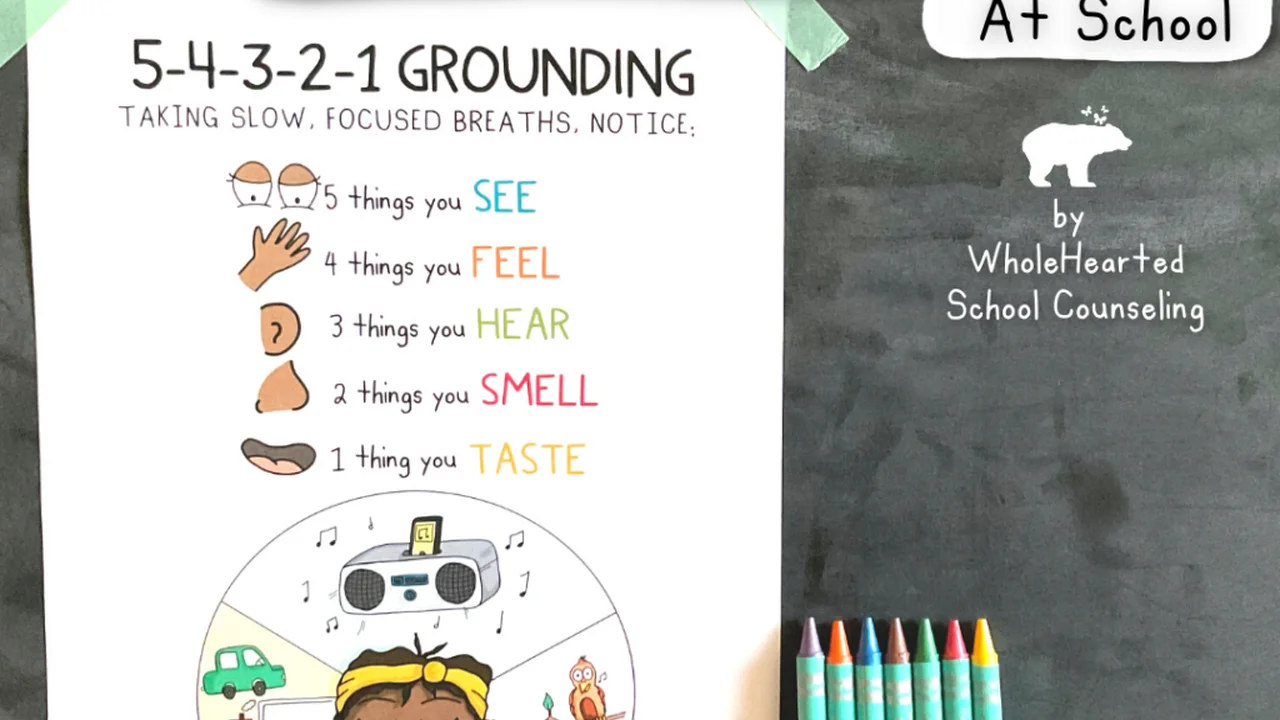
Mindful walking involves paying attention to the act of walking itself. Notice the sensation of your feet hitting the ground, the rhythm of your steps, the swing of your arms, and the feeling of the air on your skin. Engage your senses: what do you see, hear, smell? If your mind wanders, gently bring it back to the sensations of walking. This can be done anywhere – walking to class, taking a break between study sessions, or exploring campus. Even 10-15 minutes of mindful walking can clear your head.
Recommended Tools for Mindful Movement for Students
While mindful movement requires minimal equipment, a few items can enhance the experience.
Yoga Mat for Student Practice
A good yoga mat provides cushioning and grip, making your practice more comfortable and safe. For students, portability and durability are key.
- Gaiam Premium Yoga Mat (6mm): This is a popular choice for beginners and intermediate practitioners. It offers good cushioning and is relatively lightweight. It typically costs around $25-$35. It's widely available at sporting goods stores and online.
- Manduka PROlite Yoga Mat: A more premium option, known for its exceptional durability and grip. It's heavier but offers superior support and is often considered a lifetime mat. Price range is typically $80-$100. While an investment, its longevity can make it worthwhile for serious practitioners.
- Amazon Basics Yoga Mat (1/4 inch): A very budget-friendly option, usually around $15-$20. It's thinner and less durable than premium mats but perfectly adequate for starting out and occasional use. Great for students on a tight budget.
Comfortable Walking Shoes for Students
For mindful walking, comfortable shoes are essential. You don't need specialized running shoes, just something that supports your feet well.
- Brooks Ghost Series: Known for their balanced cushioning and smooth ride, making them excellent for walking and light running. They are comfortable right out of the box. Price typically ranges from $120-$140.
- New Balance 574: A classic, comfortable sneaker that's great for everyday wear and mindful walks. They offer good support and come in various styles. Price is usually around $80-$90.
- Skechers Go Walk Series: Specifically designed for walking, these shoes are incredibly lightweight and offer excellent cushioning. They are often more affordable, ranging from $50-$70.
Comparison of Mindful Movement Options for Students
Yoga offers a structured way to connect with your body and breath, often leading to increased flexibility and strength. It can be done indoors, making it suitable for any weather. Mindful walking is more accessible as it requires no special equipment (beyond comfortable shoes) and can be integrated into your daily commute or breaks. Both are excellent for stress reduction and improving body awareness. If you prefer a more structured, physical practice, yoga is great. If you want to integrate mindfulness into your daily routine without dedicated time, mindful walking is perfect.
Mindfulness Method 3 Mindful Eating and Sensory Awareness for Students
Eating is something we do every day, often on autopilot. Mindful eating involves bringing full attention to the experience of eating – the flavors, textures, smells, and even the sounds of your food. This practice can help students develop a healthier relationship with food, reduce overeating, and truly savor their meals, turning a mundane activity into a moment of mindfulness.
How to Practice Mindful Eating for Students
Before you start eating, take a moment to pause. Look at your food: notice its colors, shapes, and textures. Inhale deeply and notice the aromas. As you take your first bite, chew slowly and deliberately. Pay attention to the taste, how it changes as you chew, and the texture in your mouth. Notice the sensation of swallowing. Put your fork down between bites. This helps slow down the eating process. Pay attention to your body's signals of hunger and fullness. Stop when you feel satisfied, not necessarily when your plate is empty. Try to eat without distractions like your phone, laptop, or TV. This can be challenging in a busy dorm or dining hall, but even dedicating a few minutes to mindful eating can make a difference.
Recommended Tools for Mindful Eating for Students
While mindful eating doesn't require specific tools, a few items can enhance the experience by making meal prep and consumption more enjoyable and intentional.
Meal Prep Containers for Student Nutrition
Preparing your own meals allows for greater control over ingredients and can encourage more mindful consumption. Good meal prep containers make this easier.
- Glass Meal Prep Containers (e.g., Pyrex, Glasslock): These are durable, non-toxic, and microwave/oven safe. They don't retain odors or stains and are great for reheating. A set of 5-10 containers typically costs $30-$50. They are heavier but offer superior quality and longevity.
- Plastic Meal Prep Containers (e.g., Rubbermaid Brilliance, Bentgo): Lighter and often more affordable, ranging from $15-$30 for a set. Look for BPA-free options. Rubbermaid Brilliance is known for its leak-proof seal. Bentgo offers bento-style containers, great for portion control and variety.
- Stainless Steel Lunch Boxes (e.g., LunchBots, ECOlunchbox): Excellent for cold meals and snacks, very durable, and eco-friendly. They are not microwave safe but are great for packing lunches. Prices vary, but a good quality one can be $20-$40.
Reusable Water Bottle for Student Hydration
Staying hydrated is part of overall well-being, and mindfully drinking water can be a simple practice. A good reusable water bottle encourages consistent hydration.
- Hydro Flask (32 oz): Known for its excellent insulation, keeping drinks cold for up to 24 hours and hot for 12. Durable and comes in many colors. Price is typically $40-$50. A popular choice for students who want their drinks to stay at temperature all day.
- Nalgene Wide Mouth Bottle (32 oz): A classic, virtually indestructible, and very affordable option, usually around $10-$15. It's not insulated but is lightweight and easy to clean. Great for everyday use and for those who prefer simplicity.
- Contigo Autoseal Water Bottle (24 oz): Features a leak-proof and spill-proof design, making it ideal for carrying in backpacks without worry. Often insulated. Price range is $15-$25.
Comparison of Mindful Eating Approaches for Students
Mindful eating is a powerful practice because it can be integrated into every meal, every day. It doesn't require extra time beyond what you already spend eating. It helps you become more attuned to your body's signals, which can prevent overeating and improve digestion. While meal prep containers and reusable water bottles are not directly mindfulness tools, they support a more intentional approach to nourishment and hydration, which are foundational to mindful living. Glass containers are best for health and durability, plastic for portability and budget, and stainless steel for eco-friendliness and cold meals. For water bottles, Hydro Flask excels in insulation, Nalgene in durability and affordability, and Contigo in spill-proof design.
Integrating Mindfulness into Your Student Life
The beauty of mindfulness is that it's not about adding another task to your already packed schedule, but rather about changing how you approach the tasks you already do. By incorporating daily guided meditation, mindful movement, and mindful eating, students can cultivate a greater sense of calm, clarity, and resilience. Start small, be patient with yourself, and remember that every moment is an opportunity to practice presence. Even a few minutes of mindfulness each day can significantly impact your well-being and academic journey. Embrace these practices, and you'll find yourself navigating the challenges of student life with greater ease and a deeper connection to yourself and the world around you.
:max_bytes(150000):strip_icc()/277019-baked-pork-chops-with-cream-of-mushroom-soup-DDMFS-beauty-4x3-BG-7505-5762b731cf30447d9cbbbbbf387beafa.jpg)