Guide to Building a Strong Social Circle in College
Forge lasting friendships with our guide to building a strong social circle in college. Connect with peers and create memorable experiences.

Forge lasting friendships with our guide to building a strong social circle in college. Connect with peers and create memorable experiences.
Guide to Building a Strong Social Circle in College
Starting college is an exciting new chapter, but it can also feel a bit overwhelming, especially when it comes to making new friends. You're in a new environment, surrounded by thousands of new faces, and everyone seems to be figuring things out at the same time. But don't worry, building a strong social circle in college is totally achievable, and it's one of the most rewarding parts of the university experience. Your college friends will be the people you share late-night study sessions with, celebrate victories, commiserate over challenges, and make memories that will last a lifetime. This comprehensive guide will walk you through practical strategies, offer product recommendations to help facilitate connections, and provide insights into navigating the social landscape of college life.
Understanding the College Social Landscape Building Connections
The college social scene is diverse and dynamic. Unlike high school, where friend groups might have been established for years, college offers a fresh start. Everyone is looking to connect, and there are countless opportunities to do so. The key is to be open, proactive, and authentic. Think of it as a giant networking event, but for friendships. You'll encounter people from different backgrounds, cultures, and walks of life, which is one of the most enriching aspects of college. Embrace this diversity and be curious about others' stories.
Initial Steps to Socializing First Impressions and Openness
Your first few weeks at college are crucial for making initial connections. This is often called 'orientation week' or 'freshers' week,' and it's designed to help you settle in and meet people. Don't hide in your dorm room! Attend all orientation events, even if they seem a bit cheesy. These are prime opportunities to meet people who are just as eager to make friends as you are. Be approachable: smile, make eye contact, and be ready to introduce yourself. A simple 'Hi, I'm [Your Name], what's your major?' can open up a conversation. Remember, everyone is in the same boat, so don't be afraid to initiate.
Leveraging Campus Resources Student Organizations and Clubs
One of the most effective ways to build a social circle is by joining student organizations and clubs. College campuses are teeming with groups catering to every interest imaginable, from academic societies and sports teams to cultural associations and hobby clubs. This is where you'll find people who share your passions, making it easier to form genuine connections. Attending club fairs during orientation is a great starting point. Sign up for email lists, attend introductory meetings, and don't be afraid to try something new. Even if you've never played ultimate frisbee before, joining the club could introduce you to a whole new group of friends.
Consider these types of clubs:
- Academic Clubs: Join clubs related to your major or academic interests. You'll meet classmates and potential study partners.
- Sports Clubs (Intramural or Varsity): Great for staying active and meeting competitive or recreational athletes.
- Cultural Associations: Connect with students from similar backgrounds or learn about new cultures.
- Hobby Groups: From gaming clubs to debate societies, find people who share your specific interests.
- Volunteer Organizations: Give back to the community while meeting like-minded individuals.
Dorm Life and Residential Connections Roommates and Hallmates
If you're living in a dorm, your residential community is an immediate source of potential friends. Your roommate, if you have one, is your first built-in connection. Make an effort to get to know them, set boundaries, and be respectful. Beyond your roommate, your hallmates are also prime candidates for friendship. Leave your door open when you're in your room (if you feel comfortable and safe doing so), hang out in common areas, and participate in dorm events. Many colleges organize floor dinners, movie nights, or study groups. These casual interactions can quickly turn into strong friendships.
Academic Settings and Study Groups Classmates and Professors
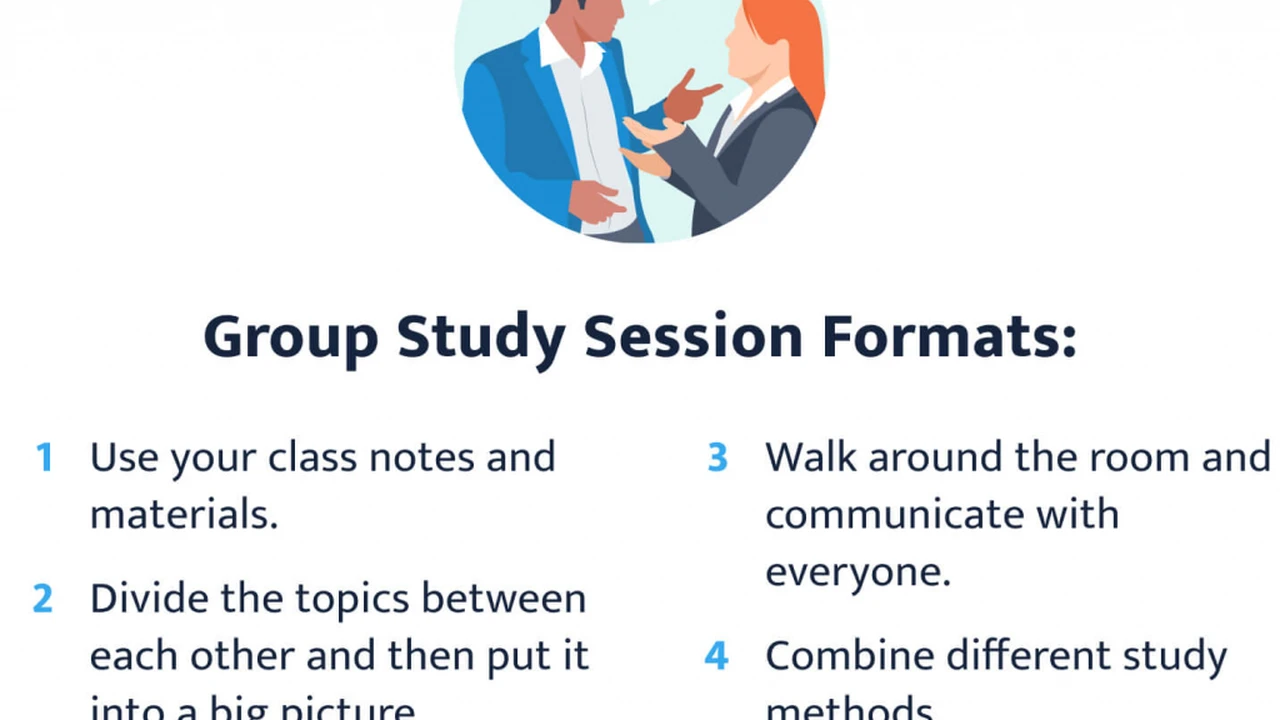
Your classes are not just for learning; they're also excellent places to meet people. Strike up conversations with classmates before or after lectures. Ask if they want to form a study group. Study groups are fantastic for both academic success and social bonding. You'll spend focused time together, get to know each other's personalities, and build a shared experience around your coursework. Don't underestimate the power of a good study group to turn into a solid friend group. Also, engaging with your professors can sometimes lead to connections with other students through research opportunities or special projects.
Social Events and Campus Activities Parties and Gatherings
College campuses are always buzzing with social events, from official university-sponsored gatherings to student-organized parties. Don't be afraid to attend these events. While some might feel overwhelming at first, they are designed for socializing. Go with an open mind, and don't feel pressured to stay if you're not enjoying yourself. Remember to prioritize your safety and well-being at all times. These events are opportunities to meet new people in a relaxed setting, and you might just find your next best friend on the dance floor or over a casual conversation.
Digital Tools for Socializing Apps and Platforms
In today's digital age, technology can also play a role in building your social circle. While face-to-face interaction is paramount, certain apps and platforms can help facilitate initial connections or organize group activities. Here are a few types of tools and specific product recommendations:
Group Chat Applications for College Life
These are essential for coordinating study groups, club activities, or just casual hangouts. They allow for quick communication and easy sharing of information.
- WhatsApp: Widely popular globally, especially in Southeast Asia. It's free, supports group chats, voice and video calls, and media sharing. Most students will already have it.
- Discord: Originally for gamers, Discord has become a popular platform for various communities, including college students. It offers voice channels, text channels, and server customization, making it great for larger clubs or interest groups. Many universities have unofficial Discord servers for different majors or student bodies.
- GroupMe: A simple group messaging app that allows anyone to join a group via a link or code, even if they don't have the app. It's great for quick, temporary groups like project teams or event planning.
Comparison: WhatsApp is universal and great for personal friend groups. Discord excels for larger, more organized communities with different topics. GroupMe is best for quick, low-barrier group communication.
Event Discovery and Planning Apps for Students
These apps help you find out what's happening on campus and organize your own gatherings.
- Campus-Specific Apps: Many universities have their own official apps that list campus events, club meetings, and academic calendars. Make sure to download and regularly check your university's app.
- Eventbrite / Meetup: While not exclusively for students, these platforms can list local events, workshops, or interest groups that might appeal to college students. You might find off-campus activities that align with your interests.
- When2meet / Doodle Poll: These are not social apps but incredibly useful for coordinating schedules when planning group activities. They help you find a time that works for everyone, reducing the friction of organizing hangouts.
Comparison: Campus-specific apps are your primary source for university events. Eventbrite/Meetup are good for broader local events. When2meet/Doodle Poll are indispensable for practical group coordination.
Social Media Platforms for Connecting with Peers
While not direct 'friend-making' apps, these platforms are crucial for staying connected and discovering social opportunities.
- Instagram: Great for following campus organizations, seeing what friends are up to, and discovering social events through stories and posts. Many student groups use Instagram to promote their activities.
- Facebook Groups: Still very relevant for college students, especially for specific interest groups, class groups, or residential hall communities. Search for groups related to your major, dorm, or hobbies.
Comparison: Instagram is more visual and for general updates/event discovery. Facebook Groups are better for specific, organized communities and discussions.
Maintaining Friendships Quality Over Quantity
Once you've made initial connections, the next step is to nurture those friendships. It's not about having hundreds of acquaintances; it's about building a few strong, meaningful relationships. Make an effort to follow up with people you've met. Invite them to grab coffee, study together, or attend a campus event. Be a good listener, show genuine interest in their lives, and be supportive. Friendships take time and effort to grow, so be patient and consistent.
Here are some tips for maintaining friendships:
- Be Present: When you're with friends, put your phone away and engage fully in the conversation.
- Initiate Plans: Don't always wait for others to reach out. Be proactive in suggesting activities.
- Be Reliable: Show up when you say you will, and be a trustworthy friend.
- Offer Support: College can be tough. Be there for your friends when they're struggling, and celebrate their successes.
- Communicate Openly: Address any misunderstandings or issues directly and respectfully.
Overcoming Challenges and Setbacks Social Anxiety and Rejection
It's normal to feel some social anxiety, especially in a new environment. Don't let fear of rejection hold you back. Not every person you meet will become your best friend, and that's perfectly okay. Focus on the connections that do click. If an invitation isn't reciprocated, don't take it personally. People are busy, and sometimes schedules just don't align. Keep putting yourself out there, and eventually, you'll find your tribe. If social anxiety feels overwhelming, remember that most college campuses offer counseling services that can provide support and strategies for navigating social situations.
Embracing Diversity and Inclusivity Global Perspectives
College is a melting pot of cultures and backgrounds. Embrace this diversity! Make an effort to befriend people from different countries, socioeconomic backgrounds, and belief systems. This will not only enrich your social circle but also broaden your perspective and understanding of the world. Be open to learning about different customs and traditions. This is particularly relevant for students in the US and Southeast Asia, where campuses are often incredibly diverse. Your college experience will be far richer if you step outside your comfort zone and connect with people who are different from you.
Balancing Social Life with Academics and Well-being Prioritizing Self-Care
While building a strong social circle is important, remember to balance it with your academic responsibilities and personal well-being. Don't overcommit yourself to social events at the expense of your studies or sleep. A healthy social life complements, rather than detracts from, your academic success. Learn to say no when you need to, and make sure you're also dedicating time to self-care, whether that's exercise, hobbies, or just quiet time alone. A well-rounded college experience includes both strong friendships and personal growth.
Building a strong social circle in college is an ongoing journey, not a destination. It requires effort, openness, and a willingness to step outside your comfort zone. But the friendships you forge during these formative years will be invaluable, providing support, laughter, and unforgettable memories. So go out there, be yourself, and start connecting!
:max_bytes(150000):strip_icc()/277019-baked-pork-chops-with-cream-of-mushroom-soup-DDMFS-beauty-4x3-BG-7505-5762b731cf30447d9cbbbbbf387beafa.jpg)